Share

7 Best Mushrooms for Beginners
Share
If you have ever stood in front of a shelf of mushroom powders, drops, coffee blends and grow kits wondering where to start, you are not alone. The best mushrooms for beginners are not always the rarest or the most hyped - they are the ones that match your goal, fit your routine and feel easy enough to use consistently.
That matters more than most people think. Functional mushrooms are not magic on day one, and they are not all trying to do the same job. Some are better known for focus and mental clarity, some for immune support, some for stress resilience, and some belong more in the kitchen than the supplement cupboard. If you are new to mushroom wellness, the smartest approach is to start simple and build from there.
What makes the best mushrooms for beginners?
A beginner-friendly mushroom usually does three things well. First, it has a clear and recognisable use case, such as focus, immunity or everyday cooking. Second, it is easy to add into daily life, whether that means stirring it into coffee, taking a few drops, or cooking it with dinner. Third, it has a flavour and format that does not make the habit hard to keep.
That last point gets ignored. Plenty of people buy a product because the science sounds compelling, then never take it because the taste is too strong or the routine feels fiddly. A practical wellness ritual beats a perfect one that lives at the back of the pantry.
1. Lion's mane for focus and mental clarity
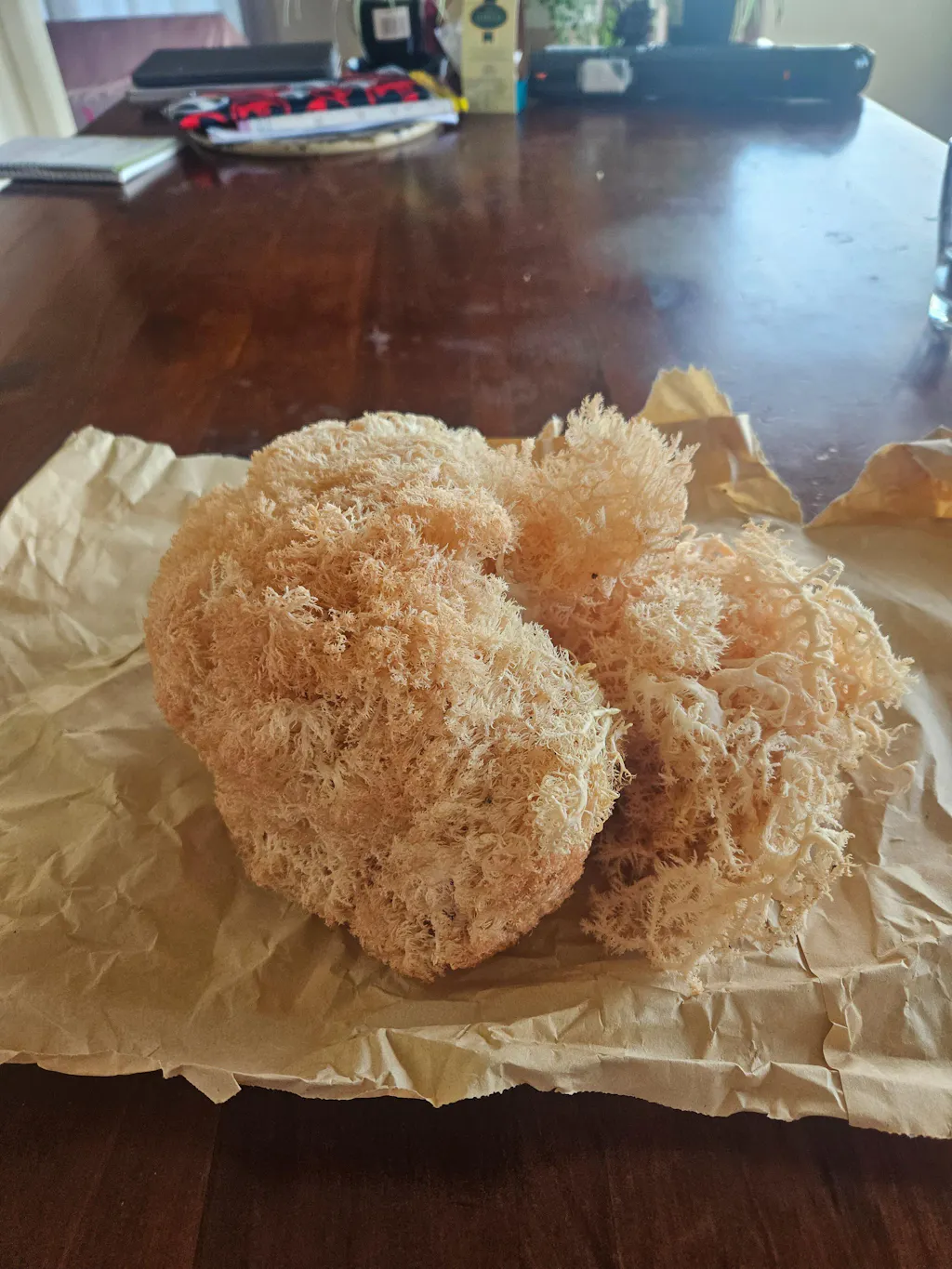
If there is one functional mushroom that tends to convert curious beginners into regular users, it is lion's mane. It is widely chosen for cognitive support, particularly around focus, concentration and mental clarity. For professionals, students, busy parents and anyone trying to cut through brain fog, that benefit is easy to understand and easy to value.
Lion's mane is also approachable because it fits naturally into existing habits. It works well in coffee blends, cacao, powders and liquid extracts, so you do not need to overhaul your routine. If your mornings already involve a warm drink, adding lion's mane can feel like a small upgrade rather than a new wellness project.
The trade-off is expectation. Some people hope for a dramatic shift after one serve. A steadier, more realistic view is that lion's mane is often best appreciated through consistent use over time, especially when paired with basics like sleep, hydration and decent nutrition.
2. Reishi for calm and evening balance
Reishi is often the first recommendation for people who feel wired, overstimulated or generally stretched too thin. It has a long history of traditional use and is commonly chosen now for relaxation, stress support and evening wind-down routines.
For beginners, reishi makes sense because the use case is clear. If lion's mane belongs in the morning, reishi often suits the other end of the day. It can work well in a night-time cacao, tea-style blend or liquid drop format when you want to shift gears without reaching for something sugary or overly stimulating.
Its earthy bitterness is the main reason it is not everyone's first favourite. That does not make it a poor choice, but it does mean format matters. If you are sensitive to strong flavours, reishi in a blended drink or extract may be easier than a straight powder.
3. Turkey tail for everyday immune support
Turkey tail is a strong option for beginners who are less interested in performance and more interested in foundational wellness. It is commonly associated with immune support and gut-related benefits, which makes it appealing for people who want to support resilience rather than chase a quick feeling.
This is where the beginner question becomes more nuanced. Turkey tail is not always the mushroom you feel in an obvious way, and that can make it less exciting at first. But for people who like a preventative, systems-based approach to wellness, that subtlety is often the point.
If your main goal is to support general wellbeing through the cooler months, periods of stress or busy family life, turkey tail can be a sensible place to start. It suits people who value consistency and long-term support over instant feedback.
4. Shiitake for food-first mushroom beginners
Not every beginner wants tinctures or powders. Some people simply want to eat more mushrooms in ways that feel delicious, familiar and useful in the kitchen. That is where shiitake stands out.
Shiitake sits comfortably between culinary enjoyment and functional value. It adds deep savoury flavour to broths, stir-fries, noodles and rice dishes, while also bringing naturally occurring compounds that make it more than just another ingredient. For home cooks, this can be the most natural entry point into mushroom wellness.
There is also a mindset advantage here. Starting with shiitake reminds people that mushrooms do not need to be framed only as supplements. They can be part of everyday nourishment, which often feels more sustainable and less intimidating for beginners.
5. Oyster mushrooms for easy cooking and growing
Oyster mushrooms are one of the most accessible mushrooms for people who want a hands-on start. They are mild, versatile and quick to use in simple meals, which makes them ideal if you are still figuring out what flavours and textures you enjoy.
They are also one of the better options for first-time home growing. If you are curious about cultivation, oyster mushrooms generally offer a more forgiving experience than fussier species. Watching mushrooms grow in your own kitchen or laundry can turn abstract interest into real connection very quickly.
That matters because beginner confidence is built through experience. Cooking a mushroom is one thing. Growing it, harvesting it and then eating it gives you a clearer sense of freshness, quality and the living biology behind the category.
6. Chaga for antioxidant support
Chaga often attracts people who are interested in antioxidants and broad daily wellness support. It is usually consumed as an extract, powder or brewed blend rather than as a culinary mushroom, and it tends to appeal to people who enjoy a more ritual-based approach.
For beginners, chaga can be a good fit if you already like tea, coffee alternatives or earthy wellness drinks. If you do not, it may feel less intuitive than lion's mane or shiitake. This is one of those it-depends mushrooms - great for the right routine, less ideal for someone who needs convenience above all else.
The key with chaga is to choose quality and clarity over hype. Sourcing, extraction method and transparency matter, especially in the functional category where not all products are created equally.
7. Tremella for beauty and hydration support
Tremella is a smart beginner choice for people whose first interest in mushrooms comes through skin health, hydration and beauty-from-within routines. It has a lighter wellness identity than some of the more intense medicinal names, which can make it feel more approachable.
It is often blended into powders, beverages and beauty-focused formulations, and it suits customers who are already engaged with collagen, adaptogens or plant-powered skincare support. If your wellness habits already include smoothies, matcha or morning tonics, tremella slips in easily.
It is not the most obvious first pick for everyone, but it can be the right one when personal motivation is aesthetic as well as functional. The best beginner mushroom is often the one you are genuinely interested in taking.
How to choose the right beginner mushroom for you
The best mushrooms for beginners depend less on trends and more on what you want help with. If your goal is focus, start with lion's mane. If you need calm, reishi makes more sense. If you are thinking about immunity and daily resilience, turkey tail is worth a look. If you prefer food-first wellness, shiitake and oyster are often the easiest place to begin.
It also helps to choose by format, not just by species. Powders suit people who already make smoothies or coffee at home. Liquid extracts are useful if you want speed and convenience. Culinary mushrooms are ideal if you prefer whole-food habits. Grow kits suit people who learn by doing and want a more connected experience.
You do not need to start with three mushrooms at once. In fact, most beginners do better with one clearly chosen mushroom used consistently for a few weeks. That gives you a better sense of fit and makes your routine easier to maintain.
A quick note on quality
Mushroom wellness only works as well as the product behind it. Beginners should look for clear sourcing, transparent ingredient information and brands that explain what part of the mushroom is used and why. Scientific confidence is helpful, but so is honesty about what a product can and cannot do.
That is especially true in a category where sustainability, cultivation standards and processing methods can affect both quality and trust. For a brand like MUSHBORN, that local, education-led approach matters because it gives people more than a label claim - it gives them context.
Starting with mushrooms should feel energising, not overwhelming. Pick the benefit you care about most, choose a format you will actually use, and let curiosity do the rest. The right first mushroom is rarely the fanciest one. It is the one that fits your life well enough to become part of it.