
Share

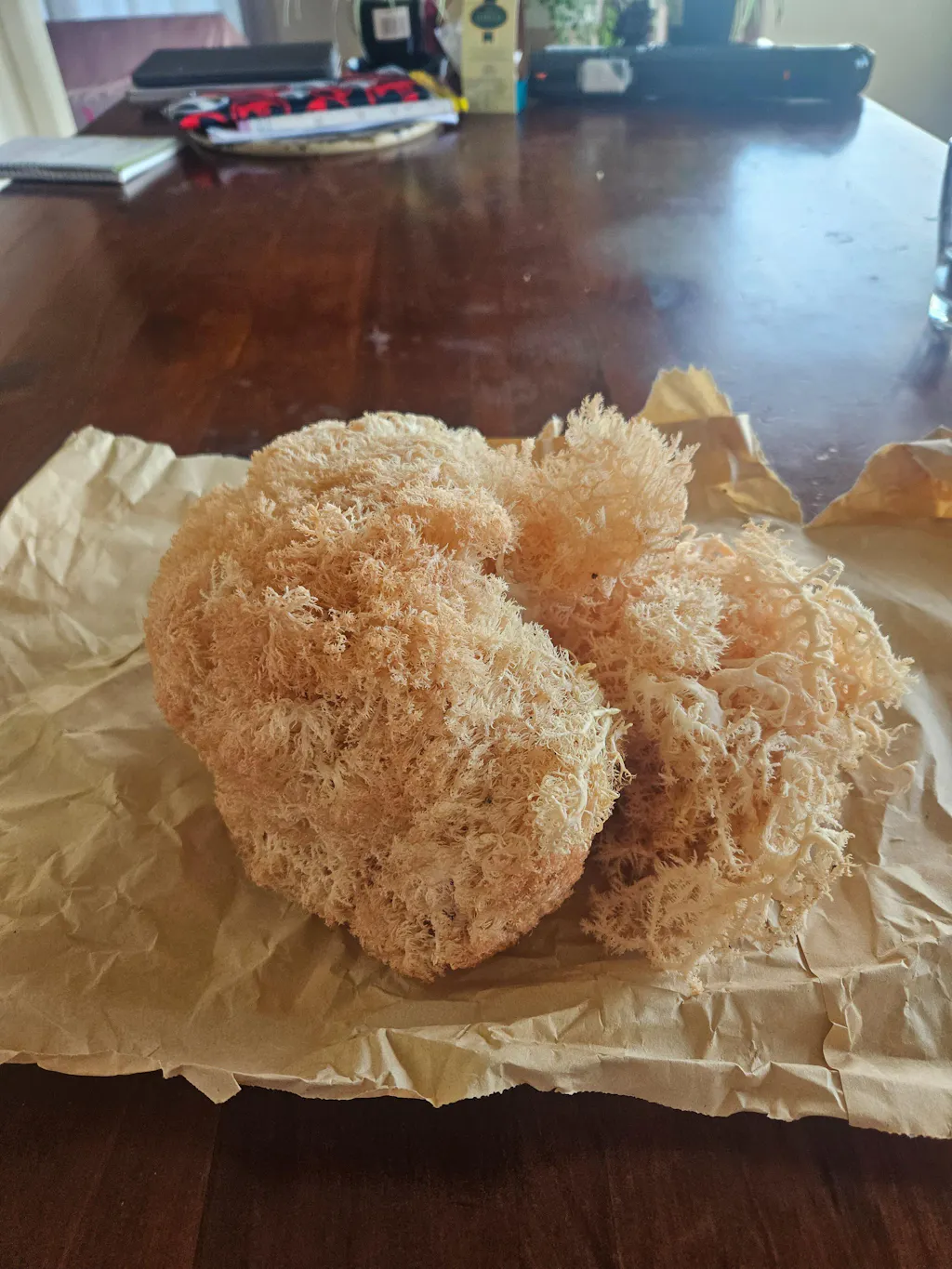
Lion's mane (Hercium novae-zealandiae) powder's nutritional Facts
Share
In the production of mushroom powder, the paramount consideration is the assurance of quality preservation throughout cultivation, processing, and packaging. Here, we intricately explore the optimisation of the nutritional content of Hericium novae-zealandiae powder through various processing stages.
I. Description
1. Substrates Used for Growing Mushrooms
We utilise organic natural wood pellets as the foundational medium for cultivating mushrooms. To enrich mushroom nutrition, 20% of either wheat bran or soybean hulls is integrated. The water content comprises bore water, sourced from a depth of 220 meters underground, naturally abundant in minerals. Stringent testing guarantees the bore water adheres to safety standards, screening for bacterial or chemical contaminants, including heavy metals.
The substrate undergoes a pressurised cooking process to eradicate potential microbial contamination. The mushroom mycelium, sourced from nature, undergoes refinement into various phenotypes, yielding mushrooms of exceptional quality.
2. Harvesting at Optimum Conditions
The timing of harvesting holds significance in ensuring the preservation of maximum beneficial compounds, including antioxidants, vitamins, and minerals.
3. Sun Exposure Before Drying
Exposure to sunlight before drying facilitates the conversion of ergosterol to vitamin D, thereby augmenting the powder's vitamin D content.
4. Low Heat (45-55°C) and Fan Drying Technique
A gentle drying process with temperatures between 45-55°C preserves heat-sensitive compounds such as enzymes and vitamins.
5. Packaging On-Site
Minimising the time between processing and packaging, on-site packaging reduces the risk of contamination, ensuring the powder's freshness.
6. Storage Conditions (Cool, Dry, Dark)
Safeguarding the stability of bioactive compounds, storage under cool, dry, and dark conditions prevents degradation, preserving the nutritional quality of the powder over time.
II. Nutritional facts
The widely consumed culinary and medicinal mushroom Hericium species supplements are sought after for their nutritional and health benefits. Individuals are interested in its distinctive features, including the chemistry of polysaccharides and secondary metabolites such as erinacines, hericerins, hericenones, resorcinols, steroids, mono- and diterpenes, and volatile aroma compounds. Moreover, people are intrigued by its nutritional composition, food and industrial applications, and the exceptional nutritional and health-enhancing aspects of Lion's mane mushrooms. The reported health-promoting properties encompass antibiotic, anticarcinogenic, antidiabetic, antifatigue, antihypertensive, antihyperlipidemic, antisenescence, cardioprotective, hepatoprotective, nephroprotective, and neuroprotective effects, including improvements in anxiety, cognitive function, and depression. The anti-inflammatory, antioxidative, and immunostimulating properties observed in cells, animals, and humans appear to underlie the manifold health-promoting characteristics attributed to this mushroom.
The New Zealand Lion's Mane mushroom closely resembles its relative, Hericium erinaceus; however, being native to New Zealand, it imparts unique physical and chemical features. These characteristics have evolved in response to specific environmental conditions.
Supplement Facts
|
Serving Size |
1000 milligrams (½ tsp) |
|
Servings per container |
30 |
|
Amount Per Serving Pure Organic NZ Lion’s Mane Powder (Hericium novae-zealandiae) |
% Daily Value 1000 mg ** |
|
** Daily Value not established |
|
III. Secondary Bioactive Compounds
In general, Hericium mushrooms are known to contain bioactive compounds such as:
1. Polysaccharides: These compounds, including beta-glucans, are often associated with immune-modulating and potential anti-cancer properties.
2. Erinacines and Hericenones: These are unique compounds found in both Hericium fruiting and mycelium bodies. They are being investigated for their potential nerve growth factor (NGF) inducing effects, which could affect neurological health.
3. Sterols: Compounds like ergosterol and its derivatives may contribute to the overall health benefits of these mushrooms.
4. Antioxidants: Mushrooms typically contain various antioxidants that can help combat oxidative stress in the body.
IV. Health Benefits & Medicinal Applications
MushBorn Extracts from Hericium novae-zealandiae, available in both powdered and liquid forms, exhibited antiproliferative properties in experiments conducted with three prostate cancer cell lines (DU145, LNCaP, and PC3). Notably, a polysaccharide extract displayed efficacy against LNCaP and PC3 lines, while an ethanol extract (tincture) containing helicene C, hurricane B, ergosterol, and ergosterol peroxide demonstrated effectiveness against all three cell lines. In both cases, the observed mechanism of action was apoptosis, signalling programmed cell death.
Lion's mane mushroom is believed to have the potential to enhance nerve development and function and protect against nerve damage. Additionally, there is evidence suggesting its protective effects on the stomach lining.
While some individuals utilise lion's mane mushrooms for conditions such as Alzheimer's disease, dementia, and stomach problems, it's crucial to note that there is currently insufficient scientific evidence to substantiate these uses. Further research is warranted to validate the reported benefits in these specific health contexts.