
Share

Mushroom Matcha Latte Benefits Explained
Share
That 3 pm split between wanting sharper focus and not wanting another jittery coffee is exactly where mushroom matcha latte benefits start to make sense. When a drink combines matcha’s steady lift with functional mushrooms chosen for cognition, stress support or immunity, it becomes more than a trend. It turns into a practical ritual for people who want cleaner energy, better consistency, and ingredients they can actually feel good about using every day.
Why mushroom matcha works so well together
Matcha already has a strong case on its own. Because you consume the whole powdered green tea leaf, you get a naturally occurring combination of caffeine, polyphenols and L-theanine. That matters because L-theanine can soften the harsher edge of caffeine, creating a calmer kind of alertness than many people get from coffee.
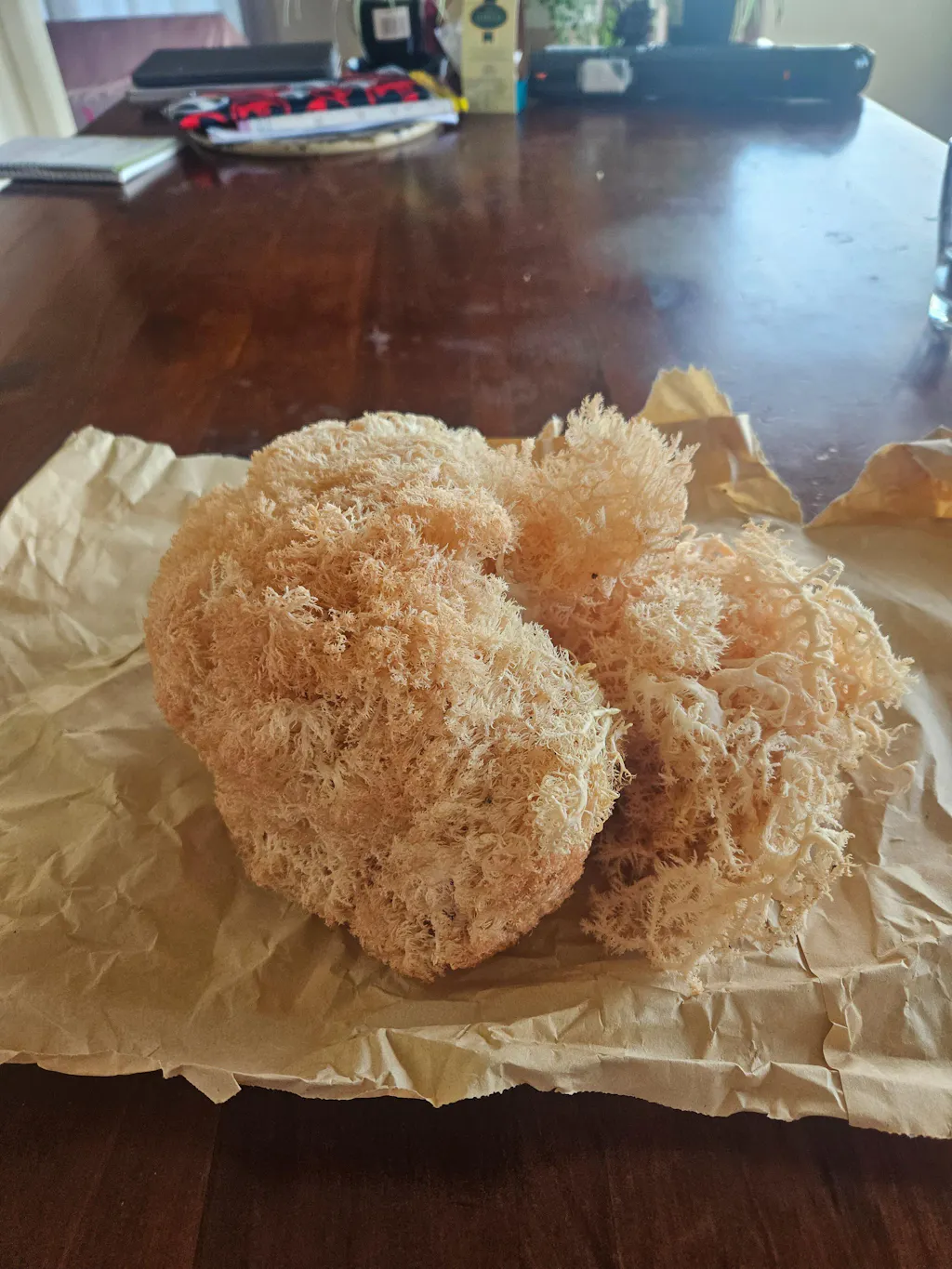
Add functional mushrooms and the formula becomes more targeted. Different species bring different strengths. Lion’s mane is often used for focus and cognitive performance. Reishi is better known for calm and recovery. Chaga and turkey tail are popular in immunity conversations thanks to their beta-glucans and antioxidant compounds. Cordyceps is commonly chosen for stamina and daily energy support.
The real appeal is the synergy. Matcha offers a clean base for attention and mental lift, while mushrooms can shape the experience depending on the blend. For someone trying to support workday concentration, train without a stimulant spike, or replace a second coffee with something more balanced, that combination is genuinely useful.
The key mushroom matcha latte benefits
Calm, sustained energy
One of the most talked-about mushroom matcha latte benefits is the way it supports energy without the crash. Matcha contains caffeine, but not usually in the same way a strong black coffee hits. Many people describe it as smoother and more even, particularly when paired with L-theanine.
If the blend also includes cordyceps, that may further support perceived stamina and vitality. This does not mean it acts like a quick stimulant. It is usually more subtle than that. The benefit is often about steadier output across the morning rather than a dramatic surge for half an hour.
Sharper focus with less overstimulation
For professionals, students, parents juggling too much, and anyone spending long hours on a screen, focus is often the reason to reach for functional drinks in the first place. Matcha has a reputation for attentive calm, and lion’s mane is the mushroom most often associated with brain function and mental clarity.
Research into lion’s mane is still developing, but early findings and traditional use have helped make it a favourite in nootropic-style wellness routines. In practice, people often use a mushroom matcha latte when they want to feel switched on without feeling wired. That distinction matters if coffee tends to leave you scattered, edgy or distracted.
Stress support and a more grounded feel
Not every wellness drink needs to push harder. Sometimes the better outcome is staying calm while still functioning well. Matcha’s L-theanine is one reason it feels different from other caffeinated drinks, and reishi is often chosen for its grounding, restorative profile.
A blend with reishi may suit afternoons or slower mornings when you want to stay centred, not hyped. The exact effect depends on the dose, the extraction quality and your own stress load, but many people find this style of latte easier on the nervous system than high-caffeine alternatives.
Immune support from functional compounds
Another of the more compelling mushroom matcha latte benefits is immune support, especially when the blend includes chaga, turkey tail or reishi. Functional mushrooms contain compounds such as beta-glucans, which are widely studied for their role in immune modulation.
This is where quality matters. You want a product that actually uses meaningful mushroom material and appropriate extraction methods, not a token sprinkle added for marketing. A well-made daily blend can be a simple way to build supportive ingredients into your routine, but it should sit alongside sleep, whole foods, movement and stress management rather than replace them.
Antioxidant support for everyday wellness
Matcha is naturally rich in catechins, especially EGCG, which is one reason it is so often associated with antioxidant support. Mushrooms like chaga also bring antioxidant compounds to the table. Together, they create a drink that aligns well with a preventative wellness mindset.
That does not mean a latte is a magic shield against modern life. It does mean it can be one smart part of a broader, plant-forward routine that supports recovery, cellular health and daily resilience.
What you might actually notice day to day
The best functional foods earn their place by being useful, not dramatic. For many people, the change is not a lightning-bolt moment. It is more likely to show up as fewer energy dips, less need for a second coffee, a cleaner morning routine, or a stronger sense of mental steadiness.
If you are caffeine-sensitive, you may notice that matcha feels more forgiving. If your blend includes lion’s mane, you might find long tasks feel easier to settle into. If it includes reishi, the benefit may be less about productivity and more about how composed you feel while getting through a full day.
Results also depend on consistency. A single cup can be pleasant, but regular use is usually where rituals start to matter. Functional mushrooms are often taken daily for that reason.
It depends on the mushroom blend
Not all mushroom matcha products are built the same, and this is where wellness shoppers should be a little sceptical in the best possible way. A blend aimed at morning focus will be very different from one designed for calm or immunity.
Look first at the mushroom species used, then at the format. Fruiting body extracts are often preferred over fillers or heavily diluted blends. Standardisation, extraction details and transparency around sourcing all help separate serious formulations from trend-led products.
There is also the question of taste. Matcha has its own grassy, slightly marine profile. Some mushrooms are earthy, and poor blends can taste muddy or flat. The best versions balance function with flavour so the drink remains enjoyable enough to become a habit.
Who benefits most from a mushroom matcha latte?
This kind of drink tends to suit people who want performance without the rough edges. If you rely on coffee but dislike the crash, if you are trying to reduce overall caffeine intake, or if you want your morning ritual to do more than simply wake you up, it is a strong option.
It also fits well for people already interested in preventative wellness. Those who care about ingredient quality, local sourcing, low-waste habits and food-based support often prefer a functional latte over highly synthetic energy products. That is part of the appeal for brands like MUSHBORN, where the focus is not just on what is in the cup, but how it is grown, formulated and integrated into everyday life.
When a mushroom matcha latte may not be the right fit
There are a few trade-offs worth knowing. If you are extremely sensitive to caffeine, even matcha may still feel too stimulating. If you are expecting immediate medicinal-level results, you may be disappointed. Functional foods work best as supportive tools, not as overnight fixes.
Taste can also be a barrier. Some people love the earthy profile straight away. Others need time, a different milk, or a better quality blend. And if you are pregnant, breastfeeding, managing a medical condition or taking medication, it is wise to check with a qualified health professional before adding concentrated functional ingredients to your routine.
How to get the most from the benefits
Preparation matters more than many people realise. A balanced mushroom matcha latte works best when it is not overloaded with sugar syrups that flatten the drink into dessert. Using a quality milk or plant milk, whisking properly, and choosing a blend aligned with your goal can change the experience completely.
If your priority is focus, have it in the morning or before deep work. If the blend leans more towards reishi and calm support, an afternoon slot may suit better. Start with a consistent serving for a couple of weeks and pay attention to energy, mood and concentration rather than chasing an instant effect.
The most useful wellness rituals are the ones that fit real life. A mushroom matcha latte can support focus, smoother energy, immunity and a more grounded daily rhythm, but its real value is that it makes those goals feel repeatable. If your morning drink can help you feel clearer, calmer and more connected to what you are putting in your body, that is a habit worth keeping.