Share

Why a School Mushroom Education Programme Works
Share
A child who watches oyster mushrooms push through a grow block in the classroom is not just seeing food appear. They are watching biology, climate thinking, waste reduction and nutrition come together in a way a worksheet rarely achieves. That is why a school mushroom education programme has such unusual staying power. It turns abstract ideas into something visible, edible and genuinely exciting.
For schools, that matters. Teachers are under pressure to make science practical, sustainability real and food education relevant to daily life. Parents want learning that feels useful, not performative. Students respond best when they can touch, observe and question what is happening in front of them. Mushrooms happen to sit at the intersection of all three.
What makes a school mushroom education programme different
A good school mushroom education programme is not just a novelty grow kit on a windowsill. At its best, it is a structured learning experience that connects fungal biology with ecology, nutrition, agriculture and human wellbeing. Students can see how fungi differ from plants, how mycelium functions underground, and how mushrooms transform organic material into food.
That difference is important because fungi are often missing from mainstream classroom learning. Children usually learn about plants and animals in detail, while the fungal kingdom gets a passing mention. Yet fungi are central to healthy ecosystems, soil health and circular food systems. Bringing mushrooms into schools helps fill that gap with something students can witness in real time.
It also works across age groups. Younger children are fascinated by the fast visual change. Older students can go deeper into decomposition, symbiosis, food systems, lab hygiene, cultivation variables and even enterprise projects. That flexibility makes mushrooms unusually useful for educators trying to meet multiple learning outcomes without forcing a topic to fit.
The science is hands-on, not theoretical
The strongest argument for a school mushroom education programme is simple. It makes science tangible.
Students can track humidity, temperature, light exposure and growth rates. They can compare fruiting conditions and observe how small environmental shifts affect results. They can discuss why contamination happens and what sterile technique means in practice. Those lessons are more memorable when a class can see a healthy crop in one container and mould in another.
There is also a powerful systems-thinking element. Mushrooms help explain decomposition, nutrient cycling and biodiversity without needing to overcomplicate the science. Students begin to understand that food production is not only about paddocks, fertiliser and irrigation. It can also involve indoor cultivation, agricultural by-products and low-waste growing systems.
For senior students, this opens the door to better questions. Why are fungi so efficient at breaking down tough materials? What role might they play in future food security? How can cultivation methods reduce land pressure? Those are not fringe topics anymore. They sit right inside modern conversations about sustainability, regenerative practice and resilient food supply.
Sustainability becomes visible
Schools talk a lot about sustainability. The challenge is making it feel concrete.
Mushroom growing helps because it demonstrates circular thinking in a form students can grasp quickly. Many cultivated mushrooms grow on by-products like sawdust or straw. That means students can see how waste streams become productive inputs rather than rubbish. Instead of hearing broad statements about the environment, they see a living example of resource efficiency.
There is a practical trade-off here, though. Not every mushroom activity is automatically low-impact. If a programme relies on imported materials, excessive packaging or poor follow-through, the sustainability lesson weakens. The most credible programmes are transparent about sourcing, growing media and what happens after harvest. That honesty matters, especially for older students who can spot greenwashing from a mile away.
Done well, the learning extends beyond cultivation. Students can discuss composting spent substrate, packaging choices, food miles and local production. They can ask better questions about where food comes from and what responsible consumption actually looks like. That kind of literacy tends to stay with them far longer than a one-off environmental poster competition.
Mushrooms create a stronger link between food and wellbeing
One reason mushroom education resonates with families is that it does not stop at science. It connects directly to food.
Children are often more willing to taste what they have helped grow. That alone can shift attitudes. For many households, mushrooms move from being a supermarket afterthought to something with a story, a process and a purpose. Students start to understand that food can support focus, immunity, energy and overall health, not just fill a lunchbox.
This is where educators need balance. A school programme should not drift into exaggerated wellness claims. The role of education is to build food literacy and curiosity, not oversell benefits. But it is entirely reasonable to explain that edible mushrooms contain valuable nutrients, that some varieties are used in functional wellness, and that interest in mushroom nutrition is growing because people want more from everyday foods.
That nuance is useful for parents too. Many are already interested in plant-powered living, cleaner ingredient choices and more sustainable eating habits. A thoughtful school programme can reinforce those values without sounding preachy. It simply shows children that food systems, health and environmental choices are connected.
What schools should look for in a programme
Not every mushroom workshop deserves to become an ongoing school mushroom education programme. The strongest options combine engagement with rigour.
First, the content needs to be age-appropriate and scientifically accurate. Calling everything a miracle ingredient might sound exciting, but it undermines trust. Schools should look for facilitators who explain fungal biology clearly, acknowledge complexity and keep claims grounded.
Second, the programme should be genuinely hands-on. Watching a presenter talk about mushrooms is less effective than inoculating substrate, observing fruiting stages or harvesting a crop. Students remember what they do.
Third, practical support matters. Teachers already carry a heavy load. If a programme requires specialist equipment, constant troubleshooting or complicated maintenance, it may lose momentum after the first session. The best setups are manageable inside real classrooms and still deliver visible results.
Finally, local relevance counts. In New Zealand, schools increasingly value education that reflects regional growing conditions, local sustainability challenges and community connection. Programmes that speak to local food systems and transparent cultivation practices land better than generic imported content.
Why parents are paying attention
Parents are increasingly drawn to school experiences that prepare children for a more complex future. They want education that builds critical thinking, environmental awareness and healthier relationships with food. Mushrooms happen to support all three.
There is also something refreshing about a topic that feels modern without being screen-based. A mushroom programme gives children a chance to observe patiently, record changes and understand living systems with their own eyes. That kind of attention is valuable in itself.
For wellness-minded families, there is an added layer. Functional mushrooms are no longer a niche curiosity. They are showing up in coffee, powders, broths, snacks and daily rituals because adults are looking for practical ways to support clarity, calm and resilience. When children learn the basics of mushroom biology and cultivation at school, it creates a more informed conversation at home about what mushrooms are and why they matter.
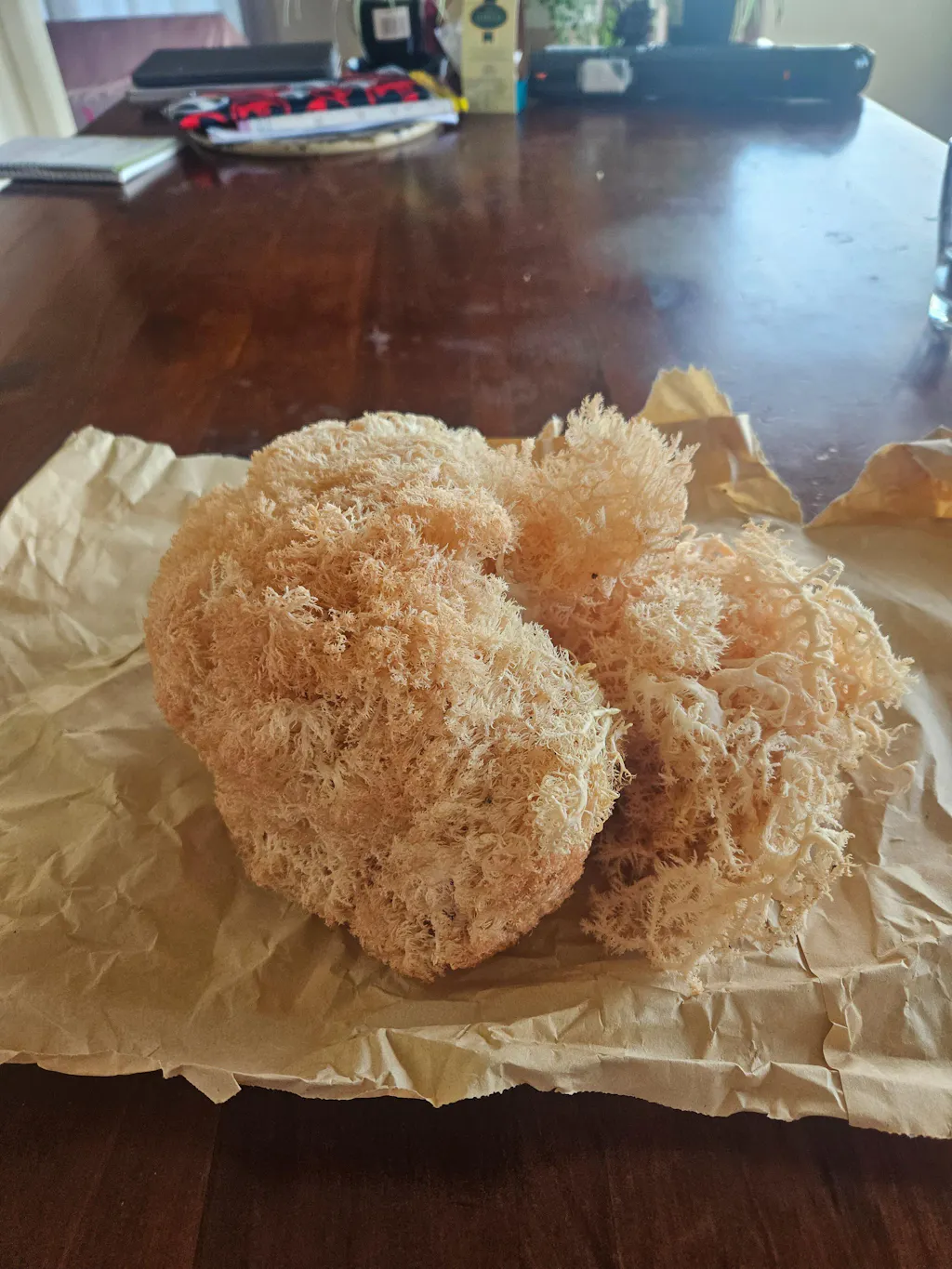
That does not mean every family will suddenly start growing lion's mane in the laundry or adding reishi to cacao. But it does mean the subject feels less strange, more evidence-based and more connected to everyday life.
A school mushroom education programme can grow with the community
One of the most underrated strengths of a school mushroom education programme is that it does not have to stay inside the classroom. It can extend into gardens, cooking sessions, sustainability projects, science fairs and family learning events.
Schools can use mushrooms as a starting point for broader conversations about local enterprise, food innovation and responsible production. Students might explore packaging waste, compare indoor and outdoor growing systems, or examine how agricultural by-products can be repurposed. Older students may even connect the topic to entrepreneurship by designing a small-scale cultivation or food concept.
For education-led wellness brands such as MUSHBORN, that community angle makes particular sense. Mushrooms are not just a product category. They are a gateway into better food literacy, more conscious consumption and a deeper understanding of how nature supports human health.
The real value, though, is simpler than that. When students grow mushrooms, they learn that useful things can come from overlooked places. They learn that science is alive, that sustainability can be practical, and that food is worth understanding. That is the kind of lesson that keeps working long after the mushrooms have been harvested.