

Are Mushroom Supplements Worth It?
You can buy a mushroom latte for focus, a tincture for calm, a capsule for immunity, and a powder to stir into your oats - all before breakfast. That range alone explains why so many people are asking, are mushroom supplements worth it? The short answer is yes, sometimes very much so, but only if the product is well made, the mushroom matches your goal, and you use it consistently enough to notice a difference.
Functional mushrooms sit in an interesting space between food and supplementation. They are not a magic fix, and they are not all interchangeable. A lion’s mane extract used for cognitive support is a different proposition from a supermarket mushroom powder with no clear standardisation, and both are different again from simply cooking with shiitake at dinner. If you want a clear answer on value, it helps to look past the hype and judge them the same way you would any wellness tool - by evidence, quality, dosage, and fit with your routine.
Are mushroom supplements worth it for everyday wellness?
For many people, they can be. The strongest case for mushroom supplements is not that they replace a healthy diet, sleep, movement, or stress management. It is that they may complement those foundations in targeted ways.
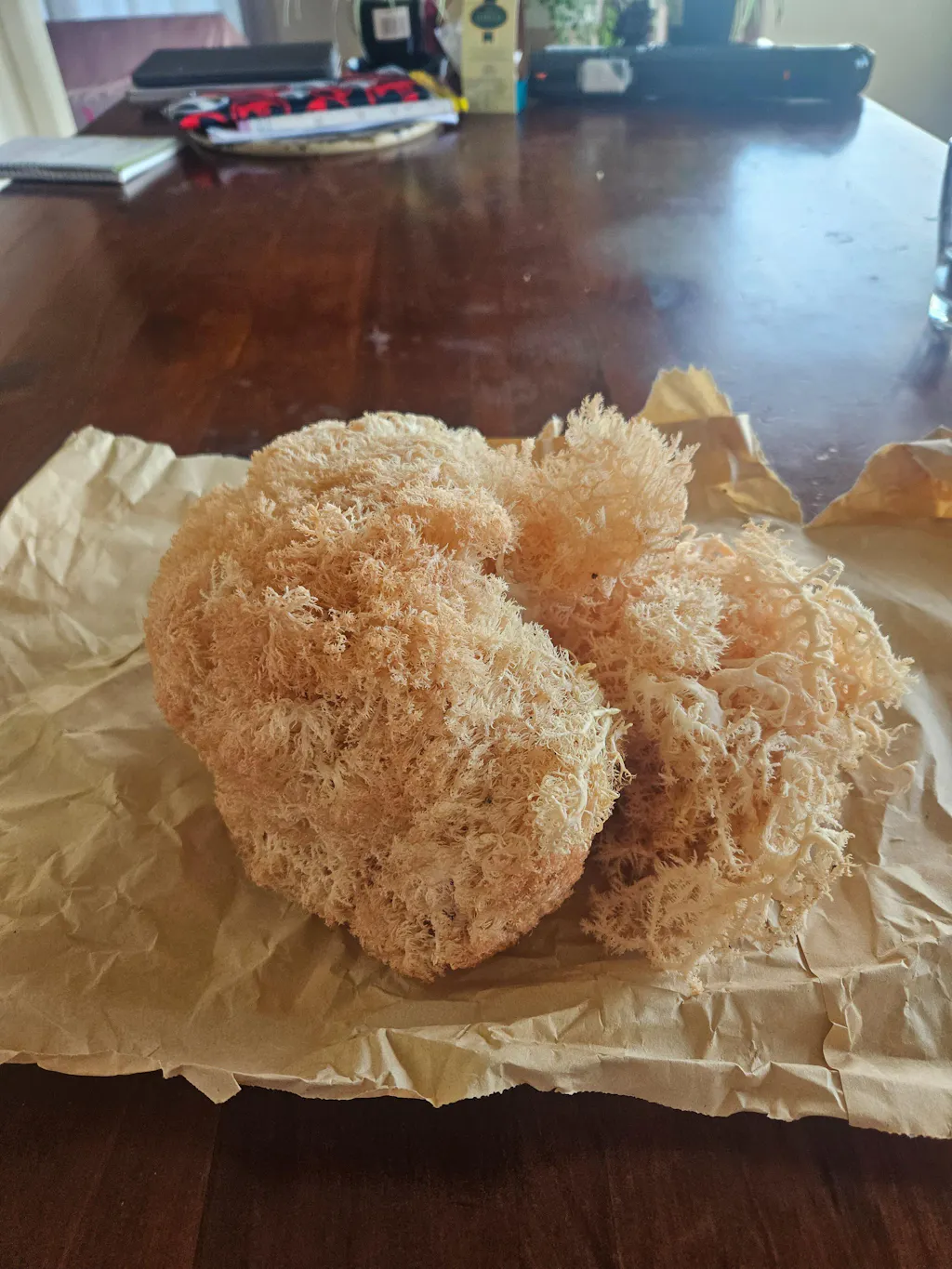
Lion’s mane is commonly used for focus and mental clarity. Reishi is often chosen for stress support and evening routines. Turkey tail and chaga are popular in immune-focused blends, while cordyceps tends to appeal to people looking for stamina and cleaner energy. Those use cases are part of why mushroom supplements have moved beyond niche wellness circles and into daily habits like coffee, cacao, smoothies, and capsules.
The catch is that benefits are rarely dramatic overnight. Functional mushrooms tend to work best as a steady ritual rather than a one-off quick fix. If your expectation is a jolt like caffeine or a sedative effect like prescription sleep medication, you may decide they are not worth it. If your expectation is more gradual support over weeks, the value proposition becomes stronger.
What actually makes a mushroom supplement worth the money?
The biggest difference between a worthwhile product and an expensive disappointment is quality. This matters more with mushrooms than many people realise.
First, check whether the product uses the fruiting body, the mycelium, or a combination. Fruiting body is the visible mushroom and is often prized for its active compounds. Mycelium is the root-like network, and while it has its place, some low-quality products use myceliated grain fillers that dilute the final supplement. That means you may be paying for starch rather than meaningful mushroom content.
Second, extraction matters. Many beneficial compounds in mushrooms are not equally available in raw powder alone. Dual extracts, which typically use both water and alcohol extraction, are often preferred because they can capture a broader spectrum of active compounds. If a label talks vaguely about mushrooms without explaining extraction, potency, or species, that is a reason to pause.
Third, transparency counts. A worthwhile supplement should tell you what species it contains, how much is included, and ideally something about testing, sourcing, and cultivation. Mushrooms absorb what is in their environment, so clean growing conditions are not a minor detail. They are central to quality.
That is where local production can carry real value. When mushrooms are grown and processed with clear oversight, customers have a better chance of knowing what they are actually taking. For a category built on trust, that matters.
When mushroom supplements are worth it - and when they are not
If you have a clear goal, mushroom supplements are easier to judge. Someone using cordyceps before training, or reishi as part of an evening wind-down routine, can usually tell whether the product earns its place. The same goes for people building a morning focus ritual with lion’s mane in coffee or matcha.
They are also often worth it for people who struggle to get functional foods into their diet consistently. Not everyone is going to cook medicinal mushrooms daily, and many of the most sought-after species are not regular pantry staples. A supplement can be a practical bridge between good intentions and actual use.
They may be less worth it if you are buying on trend alone. If you do not know why you are taking a mushroom blend, or the product combines five buzzworthy ingredients in tiny amounts, the results may be underwhelming. Value drops quickly when the formulation is vague or the dosage is too low to be meaningful.
They are also not a substitute for proper medical care. If you are dealing with persistent fatigue, anxiety, poor sleep, digestive symptoms, or immune issues, a supplement should not be your only strategy. Mushrooms can support a broader wellness plan, but they should not carry the weight of problems that need clinical attention.
How to choose the right mushroom for your goal
The better question is often not are mushroom supplements worth it, but which mushroom is worth it for you.
If your priority is mental clarity, lion’s mane is usually the first place people look. It is widely used by professionals, students, and anyone wanting support for concentration without leaning harder on caffeine.
If stress is the issue, reishi tends to be the better fit. It is often chosen for calm, nervous system support, and evening rituals that help signal a slower pace.
If you want energy with less edge, cordyceps is a common choice. It is especially popular among active people and those who feel flat rather than overstimulated.
If immune resilience is your focus, turkey tail and chaga often come into the conversation. These are usually part of broader immune-support routines rather than standalone miracle products.
This is also why delivery format matters. A powder may suit someone who likes smoothies or oats. A liquid extract can be easier for people who want a fast, measurable dose. Mushroom coffee and cacao blends can make daily consistency feel effortless because they plug into habits you already have.
Why some people swear by them and others feel nothing
There are a few reasons experiences vary so much. The first is product quality, which is the most obvious one. The second is consistency. Many people try a supplement for three days, notice nothing dramatic, and give up. That is not usually long enough for a fair verdict.
The third is baseline health. If your sleep is poor, your stress is high, and your diet is all over the place, a mushroom supplement may feel subtle because it is competing with bigger issues. On the other hand, if you already have solid health foundations, you may notice the extra support more clearly.
The fourth is expectation. Functional mushrooms are often best understood as modulators rather than stimulants. Their value may show up as steadier energy, calmer evenings, fewer dips, or improved resilience over time. Those shifts can be meaningful, even if they are not flashy.
A smarter way to assess value
If you are trying to decide whether to spend the money, think in terms of cost per useful serving rather than cost per jar. A cheaper product with weak potency is not better value than a well-made extract that actually delivers. Ask whether the dose is clear, the species is identified, the extraction method is explained, and the formula matches your goal.
It also helps to choose one product and use it consistently for a few weeks instead of stacking multiple mushrooms at once. That gives you a cleaner read on whether it is helping. Keep the rest of your routine stable and pay attention to practical markers: your focus through the morning, your tolerance to stress, your afternoon energy, your sleep quality.
For many people, the sweet spot is not a cabinet full of capsules. It is one or two well-chosen mushroom products that fit naturally into the day. That could be lion’s mane in your morning coffee ritual, reishi as an evening dropper, or a dual-extract blend that supports immunity through winter. Used that way, they are often easier to justify and easier to stick with.
MUSHBORN’s approach reflects this well: mushrooms work best when they are not framed as miracle pills, but as premium daily tools backed by quality cultivation, transparent formulation, and rituals people actually enjoy.
So, are mushroom supplements worth it? They can be absolutely worth it when they are chosen with intent, made with care, and used consistently enough to do their job. The smartest place to start is not with hype. It is with one clear wellness goal, one high-quality mushroom, and the patience to let a good routine prove its value.