

Can Mushroom Coffee Replace Coffee?
That second cup is often where the question starts. You want the focus, the ritual, and the lift, but not always the jitters, the crash, or the feeling that your nervous system is doing too much before 10 am. So, can mushroom coffee replace coffee? For some people, yes. For others, it works better as a partial swap.
The real answer depends on what you want from coffee in the first place. If you drink it purely for caffeine intensity, mushroom coffee may feel gentler than your usual brew. If you want steadier energy, better stress tolerance, and a more functional daily ritual, it can be a very smart replacement.
Can mushroom coffee replace coffee in real life?
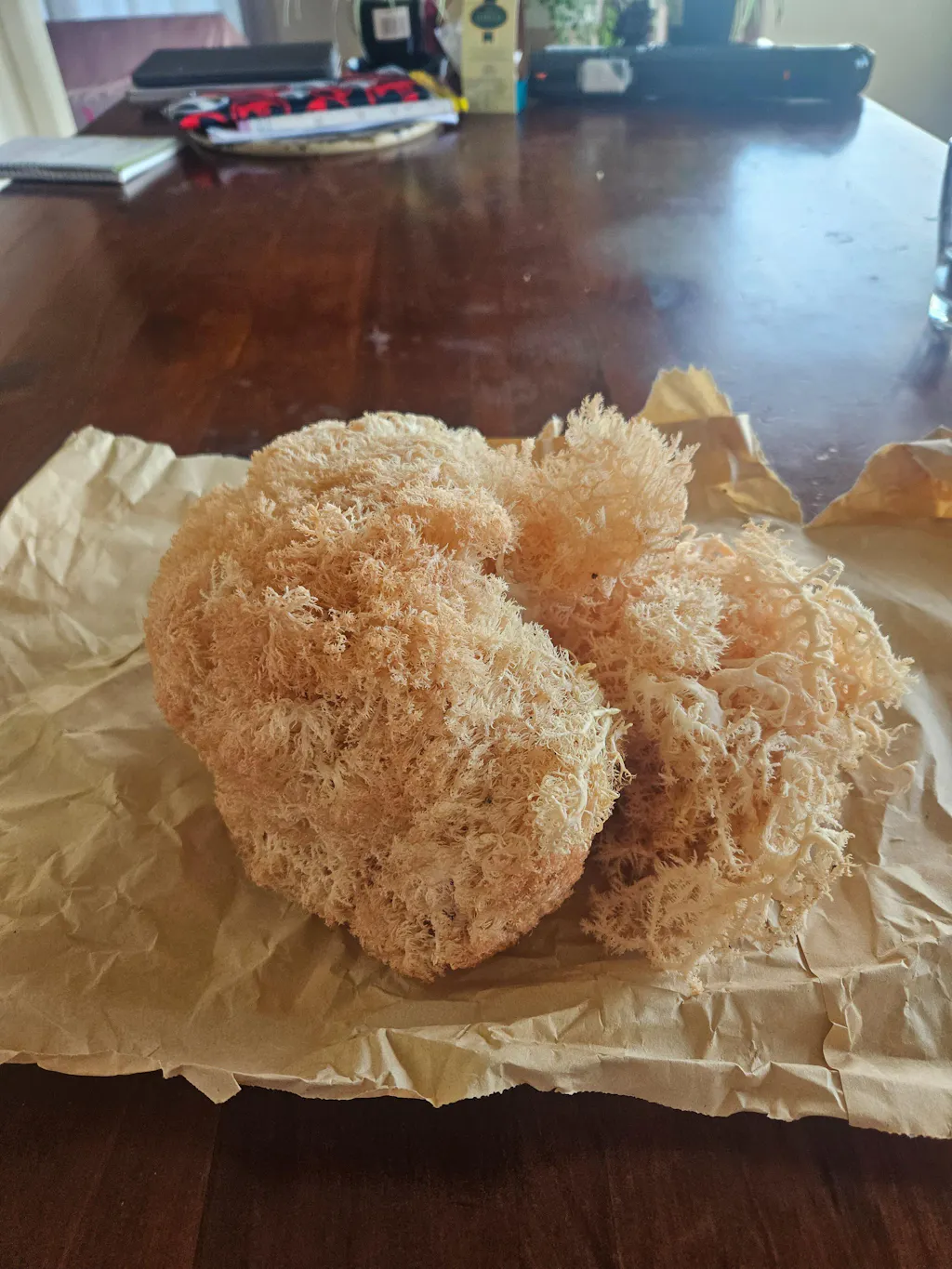
Mushroom coffee is not simply ground mushrooms in hot water. A well-formulated blend usually combines coffee with functional mushroom extracts such as lion’s mane, cordyceps, reishi or chaga. Some products contain less caffeine than standard coffee, while others are completely caffeine-free and rely on flavour, ritual, and added botanical support rather than stimulation.
That matters, because replacing coffee is not just about taste. It is about what your body notices across the day. Standard coffee often delivers a quick rise in alertness because caffeine blocks adenosine, the compound that helps you feel sleepy. That mechanism works, but it can come with trade-offs. Some people feel sharp and productive. Others feel wired, distracted, or hungry sooner. If your sleep, stress levels, hormones, or blood sugar are already under pressure, coffee can magnify the wobble.
Mushroom coffee tends to shift the experience from a sharp spike to a smoother curve. Functional mushrooms are valued not because they act like caffeine, but because they may support systems linked to focus, resilience, and overall balance. Lion’s mane is commonly associated with cognitive support, cordyceps with energy and stamina, and reishi with stress and calm. That does not make mushroom coffee a magic substitute. It does mean the goal is different.
What mushroom coffee does well
If you are looking for a cleaner-feeling morning routine, mushroom coffee has a lot going for it. The first advantage is often reduced caffeine load. Even when a blend still contains coffee, the total caffeine is usually lower than a full-strength cup. For people who are sensitive to caffeine, that alone can improve the day.
The second advantage is that the experience can feel more stable. Rather than peaking fast and fading hard, many people report more even energy and less anxious stimulation. This is one reason functional coffee blends appeal to professionals, parents, and anyone trying to stay mentally switched on without tipping into overcaffeinated territory.
There is also the wider wellness context. Coffee is mostly a stimulant. Mushroom coffee can be formulated as a broader support product, with compounds from functional mushrooms that are being studied for their role in immune function, cognitive performance, stress adaptation, and antioxidant activity. The science is promising, although it is still evolving, and quality varies significantly between products.
That last point is worth slowing down for. Not every mushroom coffee delivers meaningful functional benefits. Some blends use tiny amounts of mushroom powder for marketing appeal rather than effective extraction or dose. Fruiting body extracts, transparent sourcing, and clear information about what is actually in the cup matter if you want more than a novelty drink.
Where mushroom coffee may not fully replace coffee
If your benchmark is a strong flat white or a dark long black that gives an immediate kick, mushroom coffee may not hit the same mark. Even high-quality blends with added coffee often feel milder. That can be an advantage, but if you are running on too little sleep and expecting the same caffeine punch, you may notice the difference.
Taste is another factor. Some mushroom coffees are earthy, roasted, and surprisingly close to regular coffee. Others have a more noticeable botanical flavour. People who love the exact profile of conventional coffee may need a bit of time to adjust, especially if they are moving to a lower-caffeine or caffeine-free option.
Then there is the habit itself. Coffee is chemistry, but it is also routine, identity, and comfort. The smell, the café stop, the warm mug at your desk, the break between tasks - all of that shapes how satisfying it feels. Mushroom coffee can support the ritual beautifully, but if your attachment is to a specific caffeine effect or café-style taste, replacement may be gradual rather than immediate.
Who tends to do well with the switch?
People who benefit most from mushroom coffee usually want energy with fewer rough edges. That includes those who get shaky after coffee, feel a mid-morning crash, or notice that caffeine worsens stress, digestion, or sleep. It can also suit anyone trying to reduce caffeine without giving up the comfort of a hot morning drink.
It is especially useful for people who already think about wellness in a more connected way. If you care about focus, immunity, resilience, gut health, and how your daily rituals support the bigger picture, mushroom coffee makes sense. It fits best when you are not looking for a quick fix, but for a more intelligent baseline.
That said, if you metabolise caffeine well, sleep deeply, and enjoy two regular coffees without side effects, there may be no urgent need to replace anything. Mushroom coffee is not automatically better for every person in every context. It is better aligned for certain goals.
Can mushroom coffee replace coffee for focus and energy?
Yes, but the kind of focus matters. Coffee tends to create alertness through stimulation. Mushroom coffee, depending on the formulation, may support a steadier and more sustainable sense of mental clarity. That is a different quality of energy.
For many people, that difference shows up in the afternoon. Instead of feeling productive at 9 am and flat at 2 pm, they feel more consistent across the day. If a blend includes lion’s mane or cordyceps alongside a moderate amount of caffeine, it may be easier to concentrate without that buzzy edge.
Still, expectations should stay grounded. Functional mushrooms are not a replacement for sleep, hydration, nutrient intake, or stress management. A good product can support your system, but it cannot carry the whole load on its own.
How to know if it is worth trying
The simplest approach is to match the product to the outcome you care about. If you want morning drive and gym-friendly energy, a blend with cordyceps and some caffeine may suit you. If you want focus for work with less overstimulation, lion’s mane is often the better fit. If your goal is to cut back on coffee altogether and feel calmer, a lower-caffeine or caffeine-free option may be the smartest starting point.
It also helps to transition strategically. Going from three strong coffees a day to a caffeine-free mushroom blend overnight can feel flat, even if the product is excellent. Many people do better by replacing one cup first, usually the second or third of the day. That reduces overall caffeine while keeping the morning routine familiar.
Pay attention to the details on the label. Look for actual extracts, not vague proprietary blends. Check whether the mushrooms are fruiting body based, whether caffeine content is stated clearly, and whether the ingredients align with your goal. A transparent, science-led product will tell you far more than a trendy one.
For brands built around functional wellness, this is where trust matters. MUSHBORN’s approach, for example, sits within a wider philosophy of mushroom education, local cultivation, and practical daily use, which is exactly the kind of context that helps people choose with confidence rather than guesswork.
The better question is what you want coffee to do
Can mushroom coffee replace coffee? It can, if what you really want is a morning ritual that supports energy, clarity, and resilience without pushing your system too hard. It may not fully replace coffee if your priority is a strong caffeine hit and nothing else.
For a lot of people, the sweet spot is not total replacement. It is upgrading the relationship. One regular coffee when you truly want it, one mushroom coffee when you want steadier support, and a routine that works with your body instead of against it.
That is often how better habits stick - not by forcing a perfect switch, but by choosing a ritual that leaves you feeling more like yourself.