
A Guide to Medicinal Mushroom Quality
Walk into the functional wellness aisle and plenty of mushroom products look convincing. Dark bottles, earthy packaging, scientific-sounding claims. But a real guide to medicinal mushroom quality starts where marketing ends: what species is used, which part of the mushroom is included, how it was grown, how it was extracted, and whether any of that is actually verified.
If you care about focus, immunity, stress support or everyday vitality, quality matters because medicinal mushrooms are not interchangeable. Two products can both say lion's mane or reishi on the front and deliver very different outcomes in practice. One may contain well-prepared fruiting body extract with measured active compounds. Another may be mostly grain-grown biomass with minimal potency and very little transparency.
Why medicinal mushroom quality is not just a label claim
Medicinal mushrooms sit in an interesting space between food and supplementation. That is part of their appeal. You can enjoy them in coffee, cacao, broths, powders and drops, but you are still expecting a functional benefit. That means the raw material and the manufacturing process matter far more than clever branding.
Quality starts with identity. The correct species must be used, and ideally the strain is selected with purpose. Reishi is not lion's mane. Turkey tail is not cordyceps. Even within a species, growing conditions and processing can shift the final profile. A product designed for cognitive support should not rely on vague mushroom blends if you want a more targeted result.
It also comes down to consistency. Mushrooms are living organisms, and their active compounds can vary. Reliable producers work to reduce that variation through cultivation standards, careful harvesting and routine testing. Without that discipline, one batch may feel different from the next.
The first thing to check in any guide to medicinal mushroom quality
Start with the mushroom part being used. This is one of the biggest differences between premium products and cheap fillers.
Fruiting body, mycelium, or biomass?
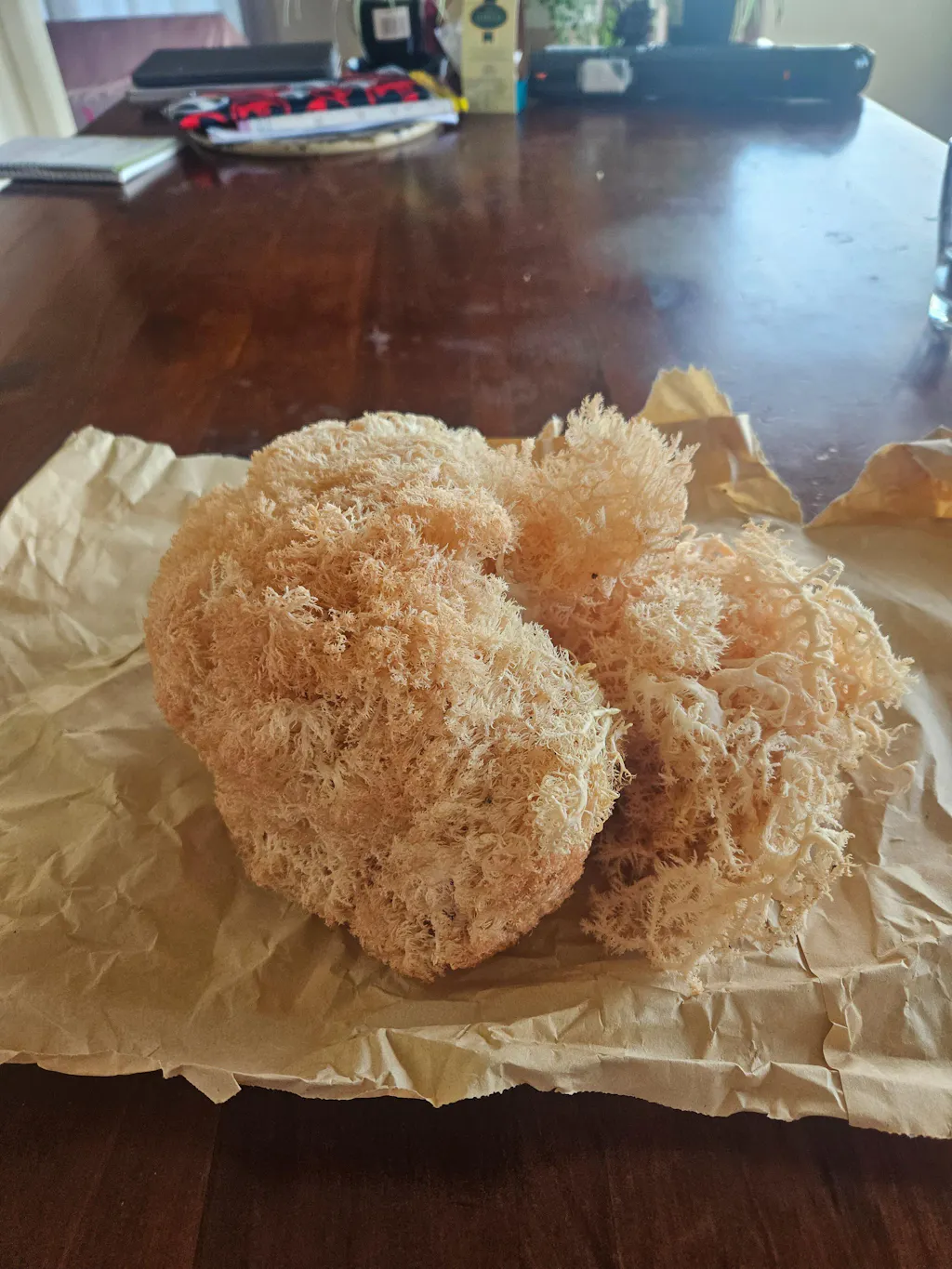
The fruiting body is the visible mushroom. In many functional products, it is preferred because it often contains the compounds people are looking for in a more concentrated and familiar form. Mycelium is the root-like network of the fungus, and it can be valuable too, but context matters.
The issue is not that mycelium is automatically poor quality. The issue is when mycelium is grown on grain and the final material includes a large amount of residual starch from that substrate. If the label is vague and simply says mycelium, you may not be getting a clean mushroom ingredient at all. You may be paying for a diluted powder.
A transparent brand will tell you whether the product contains fruiting body, mycelium, or both, and why that choice was made. If the answer is hidden, that is a sign to pause.
Species should be clearly named
Common names help, but the Latin name adds confidence. Lion's mane should also identify Hericium erinaceus. Reishi should identify Ganoderma lucidum or the relevant Ganoderma species used. This reduces confusion and shows a more serious approach to formulation.
Extraction is where potency can be made or lost
Many beneficial mushroom compounds are locked within tough cell walls made of chitin. Humans do not digest chitin well, so raw powder is not always the most effective format if your goal is functional support.
This is where extraction becomes important. Hot water extraction is commonly used to access beta-glucans and other water-soluble compounds. Alcohol extraction may be used for compounds that are not as water-soluble, such as triterpenes in reishi. Some products use dual extraction to capture a broader spectrum.
That does not mean every powder is inferior. A culinary mushroom powder used in food has a different role from a concentrated extract used for daily wellness support. It depends on the product purpose. But if a brand is positioning something as a medicinal mushroom supplement, it should be clear about whether extraction has occurred and what the ratio or concentration means.
Be careful with extract ratios
A label that says 10:1 extract sounds impressive, but ratios can be misleading without context. They do not always tell you how much of a key compound is present in the final product. Standardisation can be more useful than ratios alone, especially if a product specifies measurable actives such as beta-glucans.
Active compounds matter more than vague potency language
One of the strongest quality markers is whether the product is tested for meaningful compounds rather than just total polysaccharides.
Beta-glucans are the most recognised marker in many medicinal mushrooms because they are linked to immune modulation and broader wellness benefits. Total polysaccharides, on the other hand, can include starch from grain. That means a high polysaccharide number is not automatically a good sign.
For some mushrooms, other compounds also matter. Reishi is often assessed for triterpenes. Lion's mane discussions may involve hericenones and erinacines, although not every consumer label will include those details. The key point is simple: real quality is measurable. If a product makes big wellness promises but offers no clarity on active compounds, the claim is doing more work than the ingredient.
Growing conditions shape the end result
Medicinal mushroom quality is agricultural before it is nutritional. Mushrooms absorb and interact with their environment, so substrate quality, water quality and cultivation methods all influence the final product.
Locally grown mushrooms can offer advantages here, especially when the supply chain is shorter and more visible. Producers who control cultivation more closely can often speak with greater confidence about freshness, handling and traceability. For New Zealand customers, there is also a practical trust benefit in knowing the mushrooms are not travelling through a long, opaque supply chain before reaching your pantry.
That said, imported ingredients are not automatically poor quality. Some are excellent. The difference is transparency. You want to know where the mushrooms were grown, what standards were applied, and whether contaminants were screened.
Look for contaminant testing
Mushrooms should be tested for heavy metals, microbial contamination and, where relevant, pesticide residues. This is not niche information. It is basic quality assurance for a category built around health.
A serious brand should be able to explain its testing approach clearly. You do not need a chemistry degree to ask sensible questions. Were the mushrooms tested? Which contaminants were screened? Is testing done batch by batch or only occasionally? Straight answers usually signal a stronger operation.
Labels can tell you a lot if you know what to read
Good labels are specific. Weak labels are full of soft-focus language.
If the front says adaptogenic blend, brain formula, or immune support, turn the pack over. You want to see the exact mushroom species, the amount per serve, the form used, and whether it is an extract or plain powder. You also want to know what else is in there.
Fillers, sweeteners and flavour systems are not always a problem. In a functional coffee or drinking chocolate, for example, flavour and texture matter because the ritual matters too. But the mushroom dose still needs to be meaningful. If the active ingredient is buried in a proprietary blend with no actual quantities listed, there is no easy way to judge value or suitability.
Matching quality to your goal
The best product is not always the strongest one. It is the one that fits your goal, routine and tolerance.
If you want everyday nourishment, a well-made culinary powder or whole-food blend may be enough. If you are looking for more targeted support for stress resilience, sleep, immune function or mental clarity, a standardised extract is often the more relevant option. Liquids can be convenient and absorb quickly, while powders suit people who like adding wellness into coffee, smoothies or evening cacao.
This is where quality becomes practical. A beautifully extracted reishi is only useful if you will actually take it consistently. Likewise, a premium lion's mane powder needs to fit the way you live, whether that is a quick morning blend before work or a more intentional supplement routine.
Price matters, but value matters more
Cheap medicinal mushroom products are often cheap for a reason. Lower-grade raw material, minimal extraction, blended fillers and weak testing can all reduce cost. Premium products cost more because proper cultivation, extraction and verification are not low-cost exercises.
Still, expensive does not always mean excellent. The sweet spot is transparency. When a brand explains what is in the product, how it was grown, how it was tested and why the format was chosen, you are in a much better position to judge value.
For brands built around education and traceability, such as MUSHBORN, quality is not just about what is inside the pouch or bottle. It is also about whether the customer can understand the journey from cultivation to daily ritual.
The clearest path through this category is to stay curious and a little sceptical. Look past the wellness buzzwords, ask what is actually being measured, and choose products that show their work. Your mushroom routine should feel simple, but the quality behind it should be anything but casual.