
Medicinal Mushrooms for Stroke Prevention and Recovery: Bioactive Compounds, Neuroprotective Mechanisms, and Evidence-Based Functional Nutrition
Abstract
Stroke is a leading cause of long-term neurological disability globally, driven by ischemia-induced oxidative stress, neuroinflammation, mitochondrial dysfunction, and impaired neuroplasticity. Emerging research suggests that medicinal mushrooms contain bioactive compounds capable of targeting multiple pathways involved in both stroke prevention and post-stroke neurological recovery. This review summarizes the key pharmacologically active compounds in Lion’s Mane (Hericium erinaceus), Pink Oyster (Pleurotus djamor), Reishi (Ganoderma lucidum), and Wood Ear (Auricularia auricula-judae), and explains their mechanistic roles in neuroprotection, vascular health, and cognitive recovery. The article also links these mechanisms to functional food applications such as mushroom cacao, mushroom coffee, and multi-mushroom blends.
⚠️ Disclaimer (Important)
This article is provided for educational and informational purposes only and is not intended to diagnose, treat, cure, or prevent any disease.
The scientific content discussed is based on preclinical studies, laboratory research, and early-stage scientific literature. While medicinal mushrooms show promising bioactive and mechanistic effects in experimental models, clinical evidence in human stroke patients is currently limited and not conclusive.
Medicinal mushroom products, including functional beverages such as mushroom cacao, mushroom coffee, and multi-mushroom blends, should be considered nutritional supplements and functional foods only, not medical treatments or replacements for professional healthcare.
Individuals with medical conditions, especially those with a history of stroke, cardiovascular disease, or those taking anticoagulant or prescription medications, should consult a qualified healthcare professional before using any supplement or functional food product.
1. Introduction: A Multi-Target Approach to Stroke Prevention
Stroke pathology is multifactorial, involving interconnected biological processes:
- Cerebral ischemia and hypoxia
- Reactive oxygen species (ROS) accumulation
- Neuroinflammatory cytokine activation
- Blood–brain barrier disruption
- Neuronal apoptosis
- Impaired synaptic plasticity
Because of this complexity, single-target therapies often fail to address long-term neurological recovery.
Medicinal mushrooms contain multi-functional bioactive compounds that act across vascular, metabolic, and neurological systems. Increasing preclinical evidence supports their role in:
- Stroke prevention
- Neuroprotection during ischemia
- Cognitive and motor recovery post-stroke
2. Key Bioactive Compounds in Medicinal Mushrooms
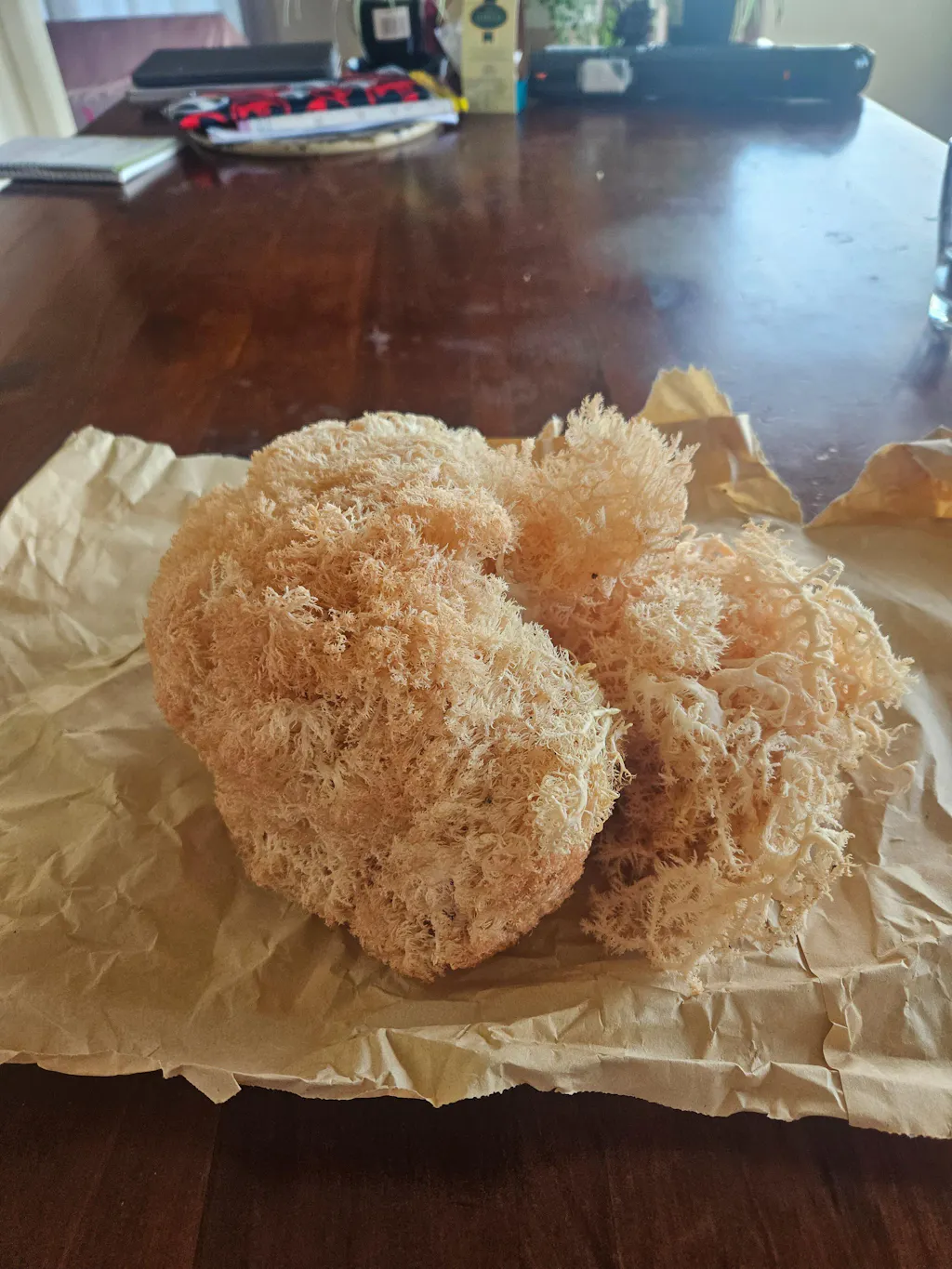
2.1 Lion’s Mane (Hericium erinaceus): Neurogenesis and Cognitive Recovery
Key Compounds
- Erinacines (A–S diterpenoids)
- Hericenones (phenolic compounds)
- Polysaccharides (hericenans)
- Ergothioneine (thiol antioxidant)
Mechanisms of Action
(1) Nerve Growth Factor (NGF) Stimulation
Erinacines stimulate NGF synthesis in astrocytes, a critical driver of neuroregeneration.
Stroke relevance:
- enhances neuronal regeneration in peri-infarct regions
- supports cognitive recovery (memory and learning)
- promotes axonal repair and synaptic reorganisation
(2) Antioxidant Neuroprotection
Ergothioneine reduces oxidative neuronal damage.
Effect:
- mitochondrial protection
- reduced lipid peroxidation
- improved neuronal survival
2.2 Pink Oyster Mushroom (Pleurotus djamor): Vascular Protection and Oxidative Stress Reduction
Key Compounds
- β-glucans
- Phenolic acids (gallic, ferulic acid)
- Flavonoids
- Ergothioneine
- Statin-like compounds (lovastatin analogs)
(1) Antioxidant Defense in Cerebral Ischemia
Phenolic compounds neutralise ROS and prevent lipid oxidation.
Stroke relevance:
- protects neurons from ischemic injury
- stabilises blood–brain barrier integrity
- reduces infarct expansion
2) Vascular and Lipid Regulation
Pleurotus species contain compounds with statin-like activity.
Effect:
- improved lipid metabolism
- reduced atherosclerosis risk
- enhanced cerebral blood flow
👉 This supports stroke prevention at the vascular level.
2.3 Reishi (Ganoderma lucidum): Anti-Inflammatory Neurovascular Protection
Key Compounds
- Ganoderic acids (triterpenoids)
- Polysaccharides (β-glucans)
- Sterols
- Peptides
(1) Inflammatory Pathway Modulation
Reishi suppresses NF-κB signalling and inflammatory cytokine release.
Stroke relevance:
- reduces secondary brain injury
- limits ischemia-induced neuronal death
- improves the post-stroke recovery environment
(2) Cerebral Blood Flow Support
Ganoderic acids improve endothelial nitric oxide signalling.
Effect:
- enhanced oxygen delivery
- improved vascular perfusion
- protection of ischemic penumbra
2.4 Wood Ear Mushroom (Auricularia auricula-judae): Epigenetic and Vascular Regulation
Key Compounds
- Melanin pigments
- Polysaccharides
- Phenolic acids
- Glucuronic acid derivatives
(1) Epigenetic Regulation of Inflammation
Wood Ear compounds influence gene expression pathways linked to inflammation (HDAC/DNMT modulation observed in experimental studies).
Stroke relevance:
- long-term reduction of inflammatory signalling
- improved neurovascular recovery environment
(2) Hemorheology and Circulation Improvement
Polysaccharides improve blood viscosity and microcirculation.
Effect:
- reduced thrombosis risk
- improved cerebral perfusion
- enhanced oxygen delivery to brain tissue
(3) Antioxidant Melanin System
Melanin provides strong free radical scavenging activity.
Effect:
- endothelial protection
- reduced oxidative neuronal injury
3. Synergistic Mechanism: Why Combination Mushroom Therapy Works
Stroke is not caused by a single pathway; therefore, recovery requires multi-target biological modulation.
Combination medicinal mushrooms act synergistically on:
Neuroprotection
- reduced oxidative stress (Pink Oyster + Wood Ear)
- reduced inflammation (Reishi)
- increased neurogenesis (Lion’s Mane)
Vascular Protection
- improved blood flow (Reishi + Wood Ear)
- reduced lipid accumulation (Pink Oyster)
Neuroregeneration
- NGF stimulation (Lion’s Mane)
- synaptic remodelling (Lion’s Mane + ergothioneine synergy)
4. Functional Food Applications: Translating Science into Nutrition
4.1 Mushroom Cacao (Neurovascular Support Beverage)
- cacao flavanols → cerebral blood flow
- Lion’s Mane → NGF stimulation
- Pink Oyster → antioxidant protection
👉 Supports cognitive performance and brain resilience
4.2 Mushroom Coffee (Cognitive & Vascular Support)
- chlorogenic acids → vascular protection
- Reishi → inflammation modulation
- Lion’s Mane → cognitive enhancement
👉 Supports mental clarity and neurological performance
4.3 Mushroom Gold Blend (Multi-Mushroom System)
- β-glucans → immune regulation
- triterpenes → inflammation control
- ergothioneine → mitochondrial protection
👉 Supports whole-system neuroprotection
4.4 FermVine® Concept (Fermented Neurovascular Nutrition)
Fermentation enhances:
- polyphenol bioavailability
- gut microbiome signalling
- anti-inflammatory metabolite production
👉 Supports gut–brain–vascular axis regulation, relevant to stroke prevention research.
5. Scientific Conclusion
Current preclinical and biochemical evidence suggests that medicinal mushrooms contain complementary bioactive compounds targeting key mechanisms involved in stroke pathology.
Key Mechanistic Contributions:
- Lion’s Mane → neurogenesis and NGF stimulation
- Pink Oyster → antioxidant and vascular protection
- Reishi → inflammatory and endothelial regulation
- Wood Ear → epigenetic and circulatory modulation
Together, these effects support a multi-pathway neurovascular protection model, relevant to:
- stroke prevention strategies
- post-stroke cognitive recovery
- neuroplasticity enhancement
- functional brain health nutrition
While human clinical trials are still limited, the consistency of mechanistic and animal-model evidence strongly supports further investigation into multi-mushroom functional nutrition systems as adjunctive neuroprotective strategies.
Selected Scientific References
-
Nakyam, T., Wattanathorn, J., & Thukham-Mee, W. (2022). Neuroprotective effect of polyherbal recipe containing ginger, Chinese date, and wood ear mushroom against ischemic stroke with metabolic syndrome condition via epigenetic modification of inflammation and oxidative stress. BioMed Research International, 2022(1), 8940303.
- Szućko-Kociuba, I., Trzeciak-Ryczek, A., Kupnicka, P., & Chlubek, D. (2023). Neurotrophic and neuroprotective effects of Hericium erinaceus. International journal of molecular sciences, 24(21), 15960.
-
Kończak, M., Bolesławska, I., Górna, I., & Drzymała-Czyż, S. (2025). Therapeutic potential of lion’s mane mushroom (Hericium erinaceus) in the treatment of depression and depressive symptoms: neurobiological mechanisms and health benefits. Acta Scientiarum Polonorum Technologia Alimentaria, 24(2), 243-255.
- Amerikanou, C., Kleftaki, S. A., & Kaliora, A. C. (2026). A Comprehensive Overview of the Nutritional Value in Oyster Mushrooms. Pleurotus, 37-51.
-
Inci, Ş., Akyüz, M., & Kirbag, S. (2023). Antimicrobial, antioxidant, cytotoxicity and DNA protective properties of the pink oyster mushroom, Pleurotus djamor (Agaricomycetes). International Journal of Medicinal Mushrooms, 25(2).
- Zhang, W., Zhang, Q., Deng, W., Li, Y., Xing, G., Shi, X., & Du, Y. (2014). Neuroprotective effect of pretreatment with ganoderma lucidum in cerebral ischemia/reperfusion injury in rat hippocampus. Neural regeneration research, 9(15), 1446-1452.
-
Long, D., Li, Y., Yi, S., & Lu, X. (2025). The protecting role of Ganoderma lucidum polysaccharides on the retinal neurovascular units in rats with retinal ischemia-reperfusion injury. Scientific Reports, 15(1), 42769.
- Paul, B. D. (2022). Ergothioneine: a stress vitamin with antiaging, vascular, and neuroprotective roles?. Antioxidants & redox signaling, 36(16-18), 1306-1317.
- Liuzzi, G. M., Petraglia, T., Latronico, T., Crescenzi, A., & Rossano, R. (2023). Antioxidant compounds from edible mushrooms as potential candidates for treating age-related neurodegenerative diseases. Nutrients, 15(8), 1913.
-
Nakamichi, N., Tsuzuku, S., & Shibagaki, F. (2022). Ergothioneine and central nervous system diseases. Neurochemical Research, 47(9), 2513-2521.