
Science Backed Mushroom Supplements Explained
A label can say lion’s mane, reishi or turkey tail and still tell you almost nothing useful. That is the problem with shopping for science backed mushroom supplements. The name of the mushroom matters, but it is only one piece of the picture. The real difference sits in extraction method, mushroom part used, active compounds, dose, and whether the brand is willing to be transparent about all of it.
For people building a daily wellness routine, that detail matters. Functional mushrooms are not a magic shortcut, and they are not all interchangeable. Some are better suited to focus and cognitive performance, others to immune support, stress resilience or sleep. The strongest products tend to respect both tradition and evidence - using mushrooms with a long history of use while also matching modern expectations around testing, sourcing and formulation.
What makes mushroom supplements science backed?
When we talk about science backed mushroom supplements, we are really asking a practical question: what claims are supported by identifiable compounds, studied extracts and realistic usage patterns? A polished front label is not enough.
The first marker is species selection. Lion’s mane is often discussed for cognition and nerve health. Reishi is commonly associated with stress support, relaxation and immune modulation. Turkey tail is best known for immune-related polysaccharides. Cordyceps is usually positioned around energy, exercise performance and oxygen use. Those associations come from a mix of traditional use, preclinical research and, in some cases, emerging human evidence.
The second marker is standardisation or at least meaningful disclosure. A serious supplement should tell you what part of the fungus is being used - fruiting body, mycelium, or both - and ideally provide information on key compounds such as beta-glucans. This matters because two products with the same mushroom on the label can behave very differently in the body.
The third marker is extraction. Many beneficial compounds in mushrooms are not equally available in raw powder. Hot water extraction is commonly used to access polysaccharides like beta-glucans. Some mushrooms also contain alcohol-soluble compounds, which is why dual extraction can make sense depending on the species and intended use.
The biggest quality difference: fruiting body vs mycelium
This is where many buyers get tripped up. The mushroom fruiting body is the visible part most people recognise. Mycelium is the root-like network that grows through a substrate. Both have value, but they are not nutritionally identical, and they should not be marketed as if they are.
A supplement made primarily from mycelium grown on grain can end up containing a fair amount of residual starch from the substrate. That does not automatically make it poor quality, but it can dilute the mushroom-specific compounds people are actually looking for. If your goal is targeted wellness support, a fruiting body extract or a clearly explained full-spectrum formula is usually the more credible choice.
That is why transparent labelling matters so much. You should be able to see what you are paying for without needing to guess.
Which science backed mushroom supplements are worth considering?
The answer depends on what outcome you want from your routine. Mushrooms are best understood as functional tools, not a one-size-fits-all category.
Lion’s mane for focus and mental clarity
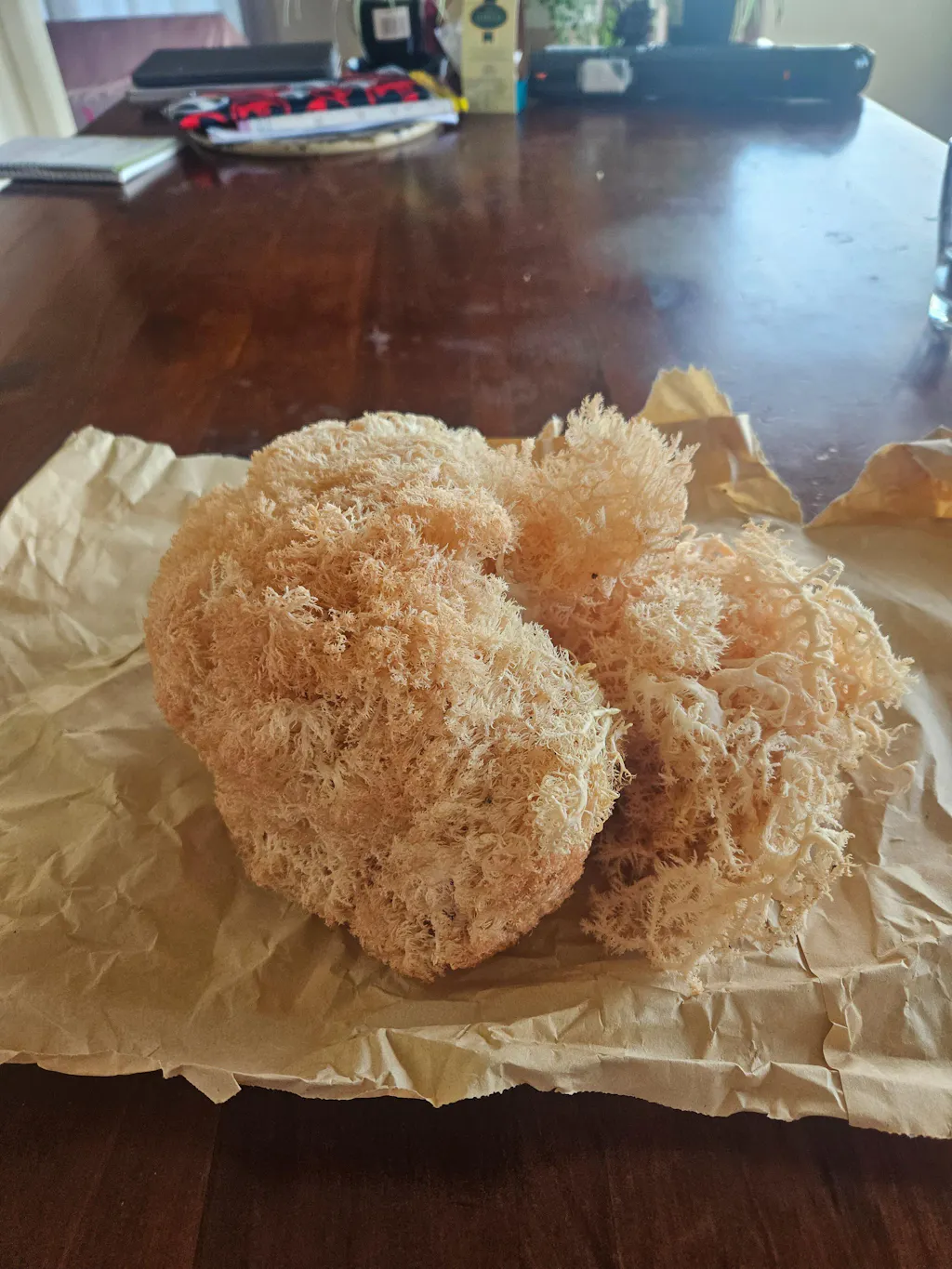
Lion’s mane has become a favourite for people wanting support with concentration, mental sharpness and cognitive performance. Interest here largely comes from compounds called hericenones and erinacines, which have been studied for their relationship to nerve growth factor pathways.
That sounds technical, but the everyday takeaway is simple: lion’s mane is often chosen by professionals, students and anyone who feels mentally stretched. It is usually better suited to steady support than a quick stimulant-like hit. If someone expects it to feel like strong coffee, they may be disappointed. If they want something that fits into a long-term focus ritual, it can make more sense.
Reishi for stress support and sleep routines
Reishi sits at the calmer end of the spectrum. It is often used to support stress resilience, rest and general immune balance. The compounds of interest here include beta-glucans and triterpenes, and the latter are one reason extraction method matters.
Reishi may suit people who feel wired at night, run hot on stress, or want an evening ritual that supports slowing down. It is not necessarily sedating in the way a sleep medication is. Think of it more as a mushroom that may help create the conditions for better recovery.
Cordyceps for energy and performance
Cordyceps is typically chosen for natural energy support, endurance and exercise capacity. It appeals to active people, busy parents and anyone who wants to avoid leaning too hard on caffeine. Research interest has focused on oxygen utilisation, fatigue and exercise-related outcomes.
Results can vary. Someone who is already sleeping well, eating well and training consistently may notice a subtler shift than someone who is burnt out and relying on three flat whites a day. That does not make it ineffective. It just means context matters.
Turkey tail for immune support
Turkey tail is best known for its polysaccharide content, especially compounds linked to immune function. It is often chosen during periods of seasonal stress, low resilience or when people want to support overall wellness from a gut-immune angle.
As with all mushrooms, quality changes the conversation. A vague turkey tail powder is not the same thing as a properly extracted product with measurable beta-glucans.
What to check before you buy
A genuinely good mushroom supplement should make it easy to trust what is inside. That starts with ingredient clarity. If the label hides behind proprietary blends and never states the actual amount of each mushroom, proceed carefully.
Beta-glucan content is one of the most helpful metrics because these polysaccharides are among the key bioactive compounds in many functional mushrooms. If a brand only highlights polysaccharides without separating beta-glucans from starch, that is less useful. Total polysaccharides can look impressive on paper while revealing very little about functional value.
You also want to know whether the formula uses plain powder or extract. Powders can have a place, especially in food-based wellness products, but extracts are often more targeted when the goal is a therapeutic-style supplement routine. Neither is automatically better in every format. A mushroom hot chocolate designed for a gentle daily ritual has a different job to do than a concentrated capsule intended for immune support.
Local sourcing and production standards matter too. For many New Zealand buyers, provenance is not a side issue. Clean growing conditions, responsible cultivation and transparent processing all contribute to product confidence. That is one reason brands such as MUSHBORN put so much emphasis on science, source and sustainability together rather than treating them as separate stories.
Are blends better than single mushrooms?
Sometimes yes, sometimes no. A single mushroom can be the smarter choice if you want a clear use case. If your priority is focus, lion’s mane alone may make it easier to track results. If your main goal is evening recovery, a reishi-led product may be more appropriate.
Blends work well when outcomes overlap. A formula built for modern stress might combine cognitive support, immune support and calm in one daily format. The trade-off is precision. The more ingredients you add, the more important it becomes to keep doses meaningful rather than sprinkling in trendy names for marketing value.
This is where delivery format matters. Powders, capsules, liquid extracts and functional drinks all fit different routines. Some people are consistent with capsules and nothing else. Others are far more likely to stay on track if their mushrooms are built into a morning coffee or evening cacao. The best supplement is often the one you will actually use.
Expectations matter as much as ingredients
Functional mushrooms tend to work best when paired with consistency. They are not usually dramatic overnight fixes. If someone is sleeping five hours a night, skipping meals and trying to solve burnout with a mushroom tincture, the result will probably be underwhelming.
That does not mean the category is overhyped. It means supplements sit inside a wider health picture. The strongest outcomes usually come when the mushroom matches the goal, the extract matches the science, and the routine matches real life.
For most people, the smart approach is to start with one clear outcome. Better focus. Calmer evenings. More stable energy. Stronger seasonal resilience. From there, choose a well-sourced product with transparent labelling, stick with it consistently, and pay attention to what actually changes.
The good news is that science backed mushroom supplements do exist, and they can be a practical part of everyday wellness. The trick is not chasing the loudest claim. It is choosing the product that respects the mushroom, the evidence and your routine equally.