

Mushroom Supplements for Gut Health
If your gut feels off, you usually know before anything shows up on a test. Bloating after lunch, sluggish digestion, irregular bowel habits, or that vague sense that your body is working harder than it should - these are often the first signs people start looking at mushroom supplements for gut health.
That interest makes sense. The gut is not just where food is broken down. It is deeply connected to immune function, inflammation, nutrient absorption, mood, and day-to-day energy. Functional mushrooms have become part of that conversation because some contain compounds that may help nourish the gut environment rather than simply mask symptoms.
Why mushroom supplements for gut health are getting attention
Mushrooms sit in an interesting space between food and functional nutrition. They are not probiotics, and they are not fibre supplements in the standard sense, but many species contain beta-glucans, polysaccharides, polyphenols, and other bioactive compounds that may influence the gut microbiome and immune response.
That matters because gut health is rarely about one isolated problem. For some people, the issue is poor dietary diversity. For others, it is stress, disrupted sleep, low-fibre eating, or the after-effects of illness and medication. A well-formulated mushroom supplement can fit into a broader routine that supports the gut lining, microbial balance, and digestive resilience over time.
The key phrase there is over time. Mushroom supplements are not usually a quick-fix option. They tend to work best as part of a consistent daily ritual alongside decent food, enough water, movement, and realistic stress management.
Which mushrooms are most relevant for gut support?
Not every mushroom is used for the same purpose, so choosing based on function is more useful than chasing a trend.
Turkey tail and the microbiome
Turkey tail is one of the most talked-about mushrooms for gut support, and with good reason. It contains polysaccharides and prebiotic-style compounds that may help feed beneficial gut microbes. In simple terms, it may help create a healthier environment for good bacteria to thrive.
Because the gut microbiome plays a role in digestion, immune communication, and inflammation, this makes turkey tail especially relevant for people focused on foundational gut health rather than symptom suppression alone.
Reishi and the gut-immune connection
Reishi is often associated with calm, sleep, and stress support, but it also has a place in gut conversations. The digestive system and immune system are closely linked, and reishi contains compounds that may help regulate immune activity and inflammatory responses.
This can be useful when stress is part of the picture. Many people notice digestive issues ramp up during busy periods, poor sleep, or emotional strain. In that context, reishi may support the bigger pattern rather than just the gut in isolation.
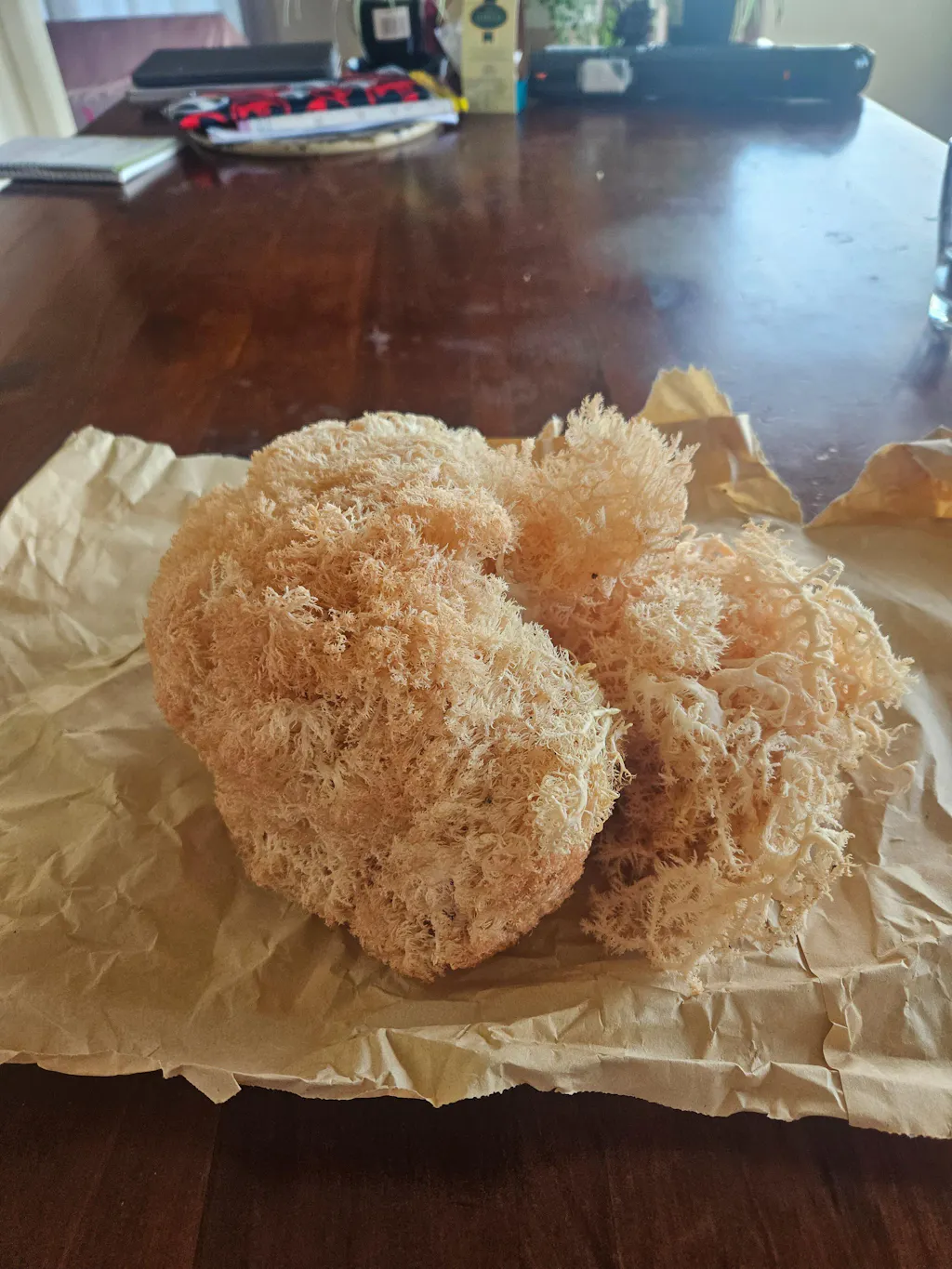
Lion’s mane and the gut-brain axis
Lion’s mane is usually marketed for focus and cognitive support, but there is a growing interest in its relationship with the gut-brain axis. That is the communication network between your digestive system and your nervous system.
If your digestion seems to worsen when your stress does, or you feel both mentally foggy and physically unsettled, lion’s mane may be relevant. It is not the first mushroom people think of for digestion, but gut health is often tied to nervous system balance, not just fibre intake.
Chaga and oxidative stress
Chaga is best known for its antioxidant profile. While it is not usually the headline mushroom for digestion, oxidative stress and inflammation can affect how well the gut environment functions. In a broader wellness stack, chaga may complement other mushrooms that are more directly linked to microbiome and immune support.
What mushroom supplements can and cannot do
This is where a bit of honesty matters. Mushroom supplements for gut health may support the systems involved in digestion, but they are not a substitute for medical care, and they will not solve every gut issue on their own.
If you are eating very little fibre, drinking too much alcohol, constantly stressed, or relying on highly processed food, no mushroom extract is going to tidy that up for you. On the other hand, if you already care about what you eat and want an evidence-informed, natural addition to your routine, mushrooms can make sense.
It also depends on the problem. Someone with occasional bloating after heavy meals may respond differently from someone managing long-term digestive sensitivity. The best results often come when supplements are chosen for the actual pattern in front of you, not because a label makes a broad promise.
How to choose a quality mushroom supplement
This is where many people get stuck. Two products can both say mushroom on the front and be very different in quality, potency, and usefulness.
Start with the mushroom species. It should be clearly named, because each type has a different functional profile. Then look at the format. Powders, capsules, liquid extracts, and tincture-style drops all have a place, but the best option depends on how you like to take supplements and how concentrated you want the product to be.
Extraction matters too. Many beneficial mushroom compounds are easier to access when the mushroom has been properly extracted. A basic ground powder can still have value, particularly in food, but concentrated extracts are often chosen when people want more targeted functional support.
Transparency is another good sign. Brands that explain where the mushrooms are grown, how they are processed, and what quality standards they follow tend to inspire more trust for good reason. If a company is vague about sourcing or active compounds, that is worth noticing.
For New Zealand shoppers, locally grown products can be especially appealing. They support traceability, fresher supply chains, and more confidence in production standards. That local connection is part of why brands like MUSHBORN resonate with people who want wellness products to feel both science-backed and grounded in real cultivation.
Best ways to take mushroom supplements for gut health
Consistency usually matters more than intensity. A daily dose in a format you genuinely enjoy is often more useful than an impressive supplement routine you abandon after five days.
If you already drink coffee, cacao, or a latte blend in the morning, adding a functional mushroom powder can be an easy habit anchor. If your routine is more structured, capsules or liquid extracts may suit better because dosing is simple and repeatable. Some people prefer drops because they feel more flexible and easier to stack with other wellness products.
Timing depends on the mushroom and your goal. Reishi may suit the evening if stress and sleep are affecting digestion. Lion’s mane often fits earlier in the day. Turkey tail is commonly taken as part of a regular daily routine without much fuss around timing.
The bigger point is that supplements work best when they fit your life. Wellness should not feel like admin.
What to pair with mushrooms for better gut outcomes
Functional mushrooms tend to do more when the basics are in place. If you want noticeable change, support the terrain they are working in.
A diverse, fibre-rich diet gives gut microbes something to work with. Fermented foods may help some people, though not everyone tolerates them well. Good sleep, regular movement, and realistic stress reduction all matter because the gut responds to your whole lifestyle, not just what is in your supplement cupboard.
Hydration is another one people overlook. Fibre, prebiotics, and concentrated wellness products all work better when your body has enough fluid on board. It sounds simple because it is, but simple does not mean minor.
Who should be cautious?
Natural does not always mean suitable for everyone. If you have a diagnosed digestive condition, take prescription medication, are pregnant or breastfeeding, or have known sensitivities to mushrooms, it is wise to check with a qualified health professional before adding a supplement.
Start low if you are sensitive. Even well-made products can take a little time for your body to adjust to, especially if your digestion is already reactive.
The real opportunity with mushroom wellness
The most useful way to think about mushroom supplements is not as a miracle fix, but as a smart layer in a broader gut health strategy. They offer something many people are looking for - support that feels natural, evidence-aware, and practical enough to use every day.
For some, that means choosing turkey tail to help nourish the microbiome. For others, it means reishi to support the stress-gut connection, or lion’s mane to look after the gut-brain axis. The right choice depends on your body, your routine, and what gut health actually means for you.
If you are looking for a more grounded way to support digestion, energy, and immune balance, mushrooms are worth taking seriously. Not because they are trendy, but because the best wellness tools are often the ones that work quietly, consistently, and in partnership with how the body is built to function.